Advancing ICM - Multiple Imprinting
An overview of the Imprinting process
In the previous article, I introduced what I call the Imprint technique - an approach that can significantly shape an ICM image. As a brief refresher, imprinting sits somewhere between traditional photography and pure ICM, blending moments of stillness with motion to retain character while introducing atmosphere.
But what happens if that moment of stillness isn’t limited to just one point in the exposure?
Mutliple Imprinting
If a single imprint allows us to anchor an image with structure, then holding the camera steady at multiple points introduces the possibility of layering structures throughout the frame. Each pause captures a distinct impression of the scene, building a more complex and nuanced result.
In many ways, this echoes the idea of blending multiple exposures taken from slightly different perspectives. The exception is that here, those moments are woven into a single continuous exposure, unified by the sense of motion that connects them.
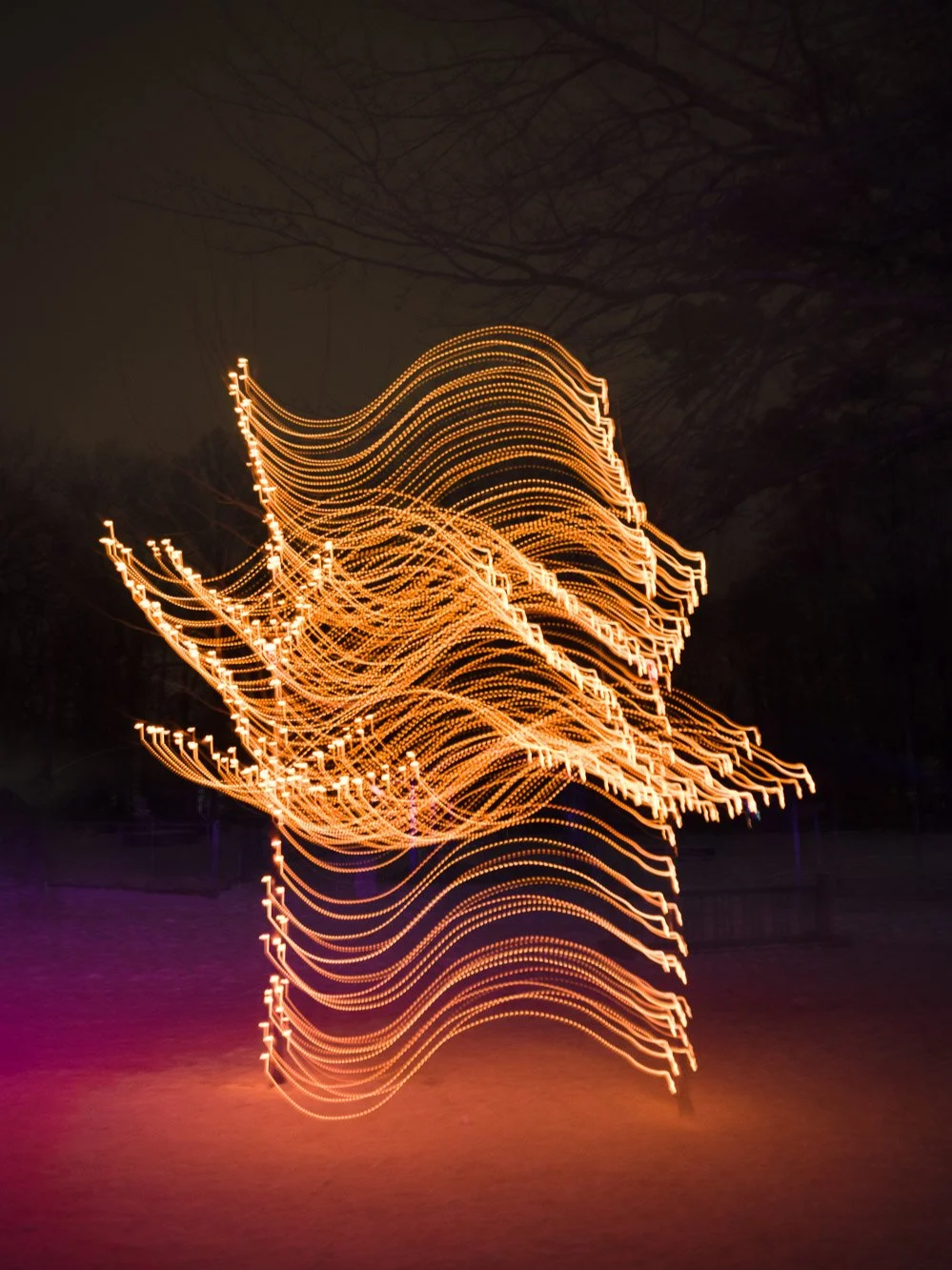
Once again, the concept is best illustrated through an intentionally exaggerated example. The image to the left features a single tree, used here to clearly demonstrate the impact multi-imprinting can have on an ICM capture.
Captured in a local park at night and during the winter season and illuminated by lights the tree is ideal for emphasizing both structure and motion.
The process unfolded as follows:
The tree was initially framed to the left of the viewfinder
The shutter was opened
The camera was held steady to establish the first imprint
The camera was then moved, repositioning the tree to the right of the frame
A second pause created the next imprint
The shutter timed out/closed to complete the exposure
What separates this from a simple blend of two exposures is the continuity of motion. The movement between imprints introduces visible light trails, connecting each moment and reinforcing the sense of flow within a single frame.
While this example is deliberately bold, it serves to clearly illustrate the process. In practice, multiple imprints are often far more subtle - less about duplicating a subject, and more about balancing gentle motion with moments of structure.
Moving on from replication
The previous example focused on replicating a strong, singular form. In practice, however, multi-imprinting offers far greater creative scope. Imprints can range from subtly reinforcing a primary subject to introducing entirely different elements within the same frame.
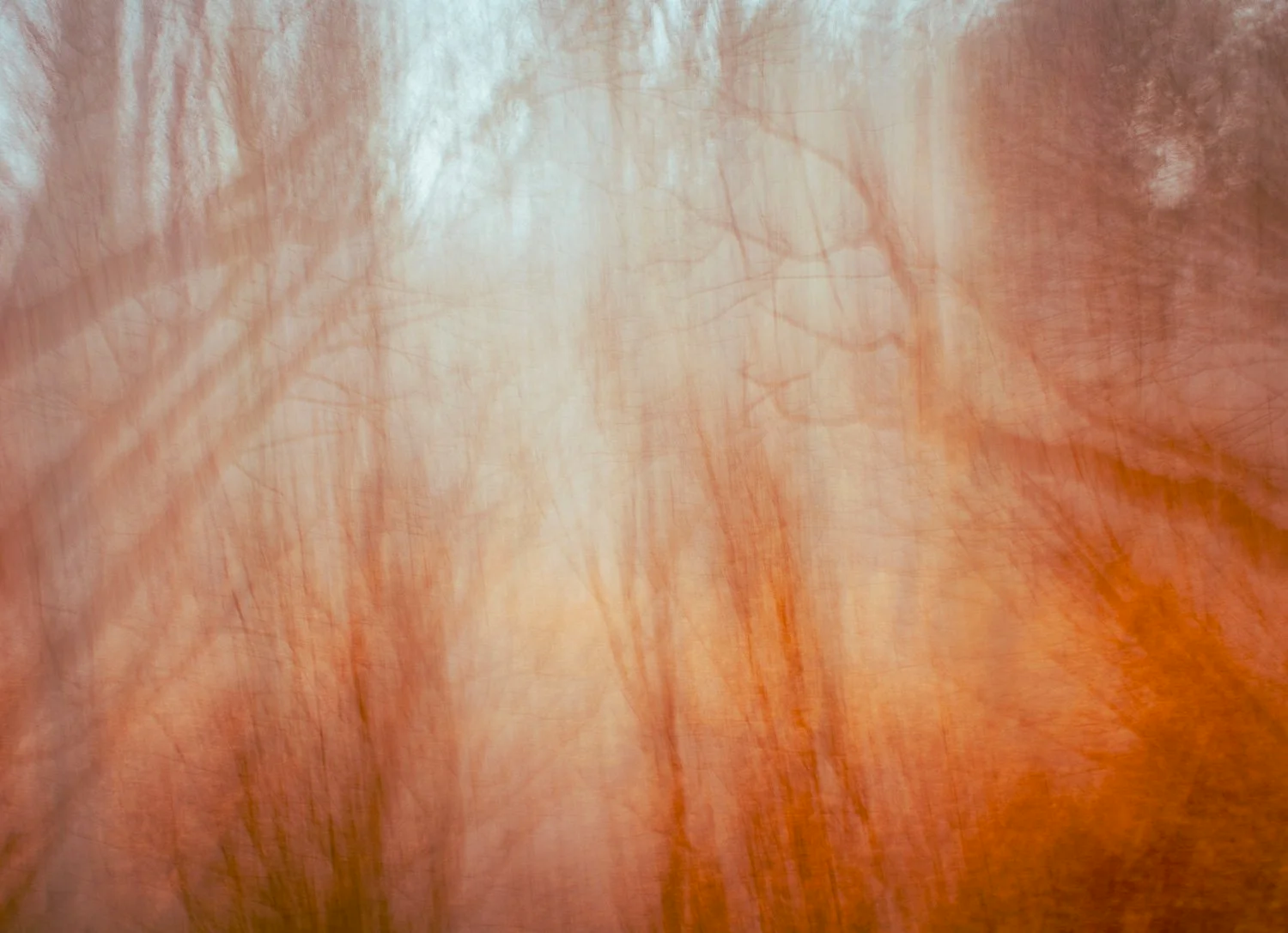
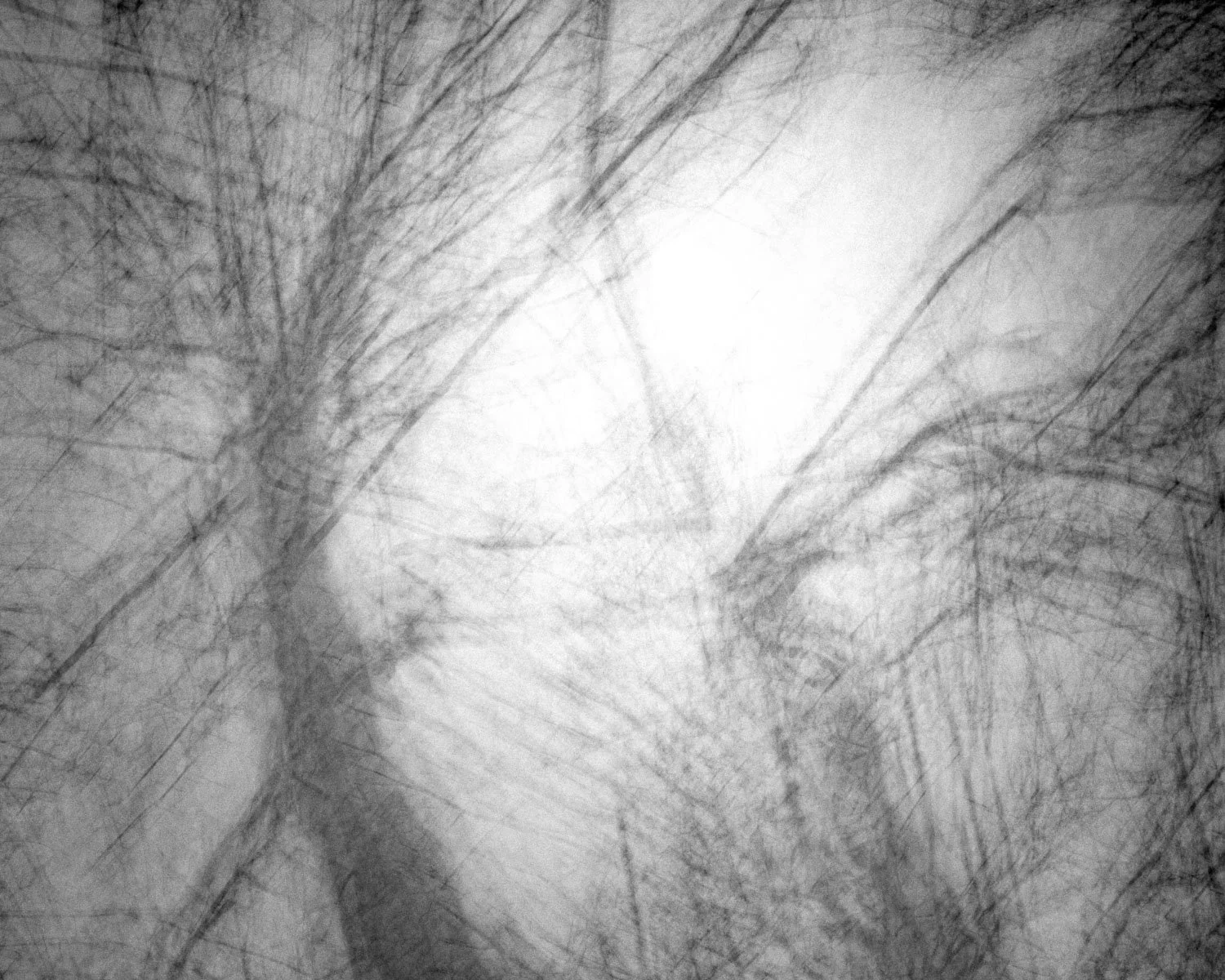
The next image, captured within a forest setting, shifts the approach. Here, it was the intricate structure of bare tree limbs that drew the eye—less about bold placement, and more about layering complexity within the scene.
The process evolved slightly:
The scene was composed
The shutter was opened and the first imprint established with a brief pause
The camera was then repositioned by a subtle arching of the back movement, bringing it to a more upright angle
A second pause introduced the next imprint
The shutter was closed as the exposure completed
Rather than creating clear duplication, this approach allows the branches to intersect and overlay, forming a more abstract interplay of line and structure. The result carries a quieter sense of atmosphere, with a growing sense of depth and ambiguity.
More Examples
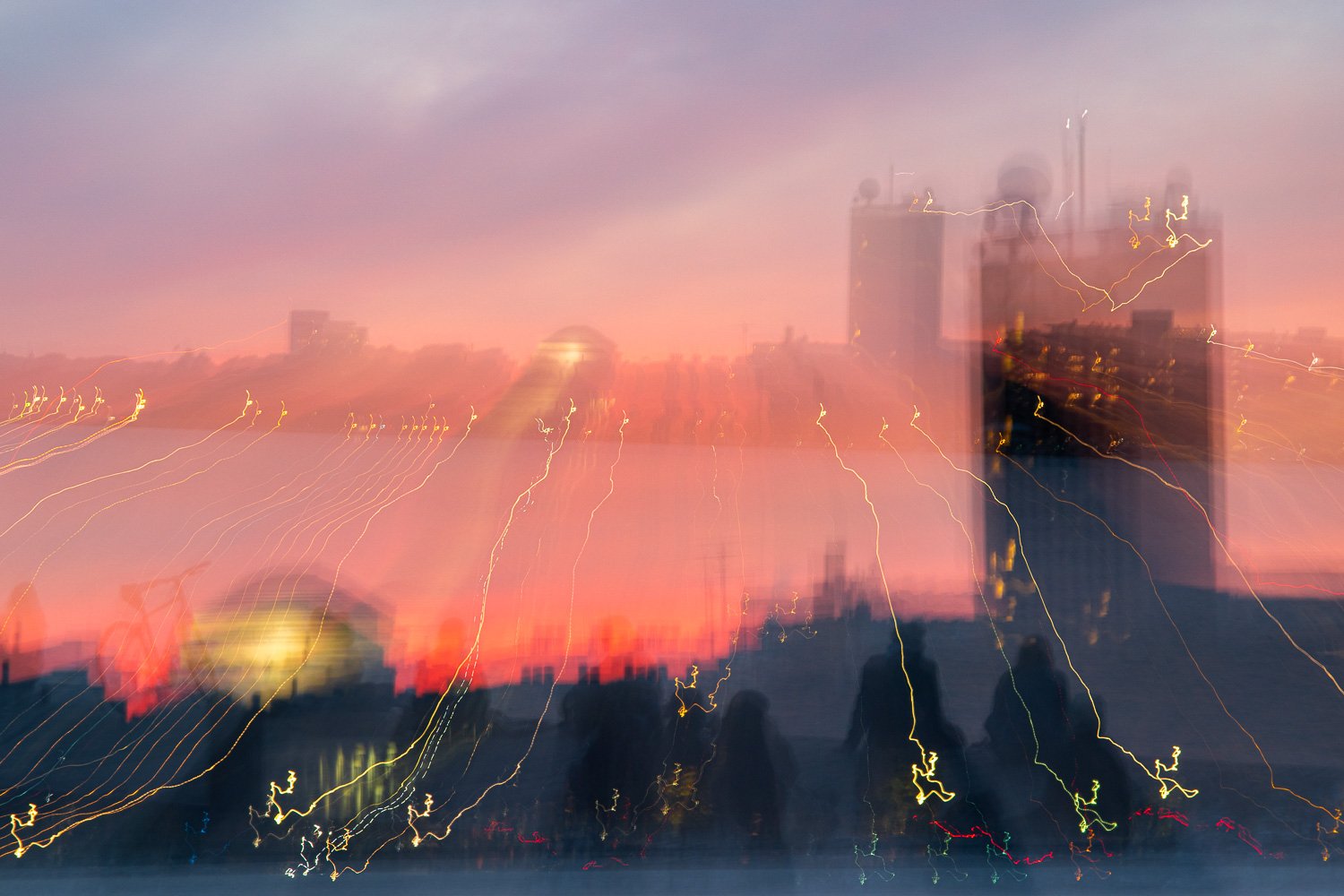
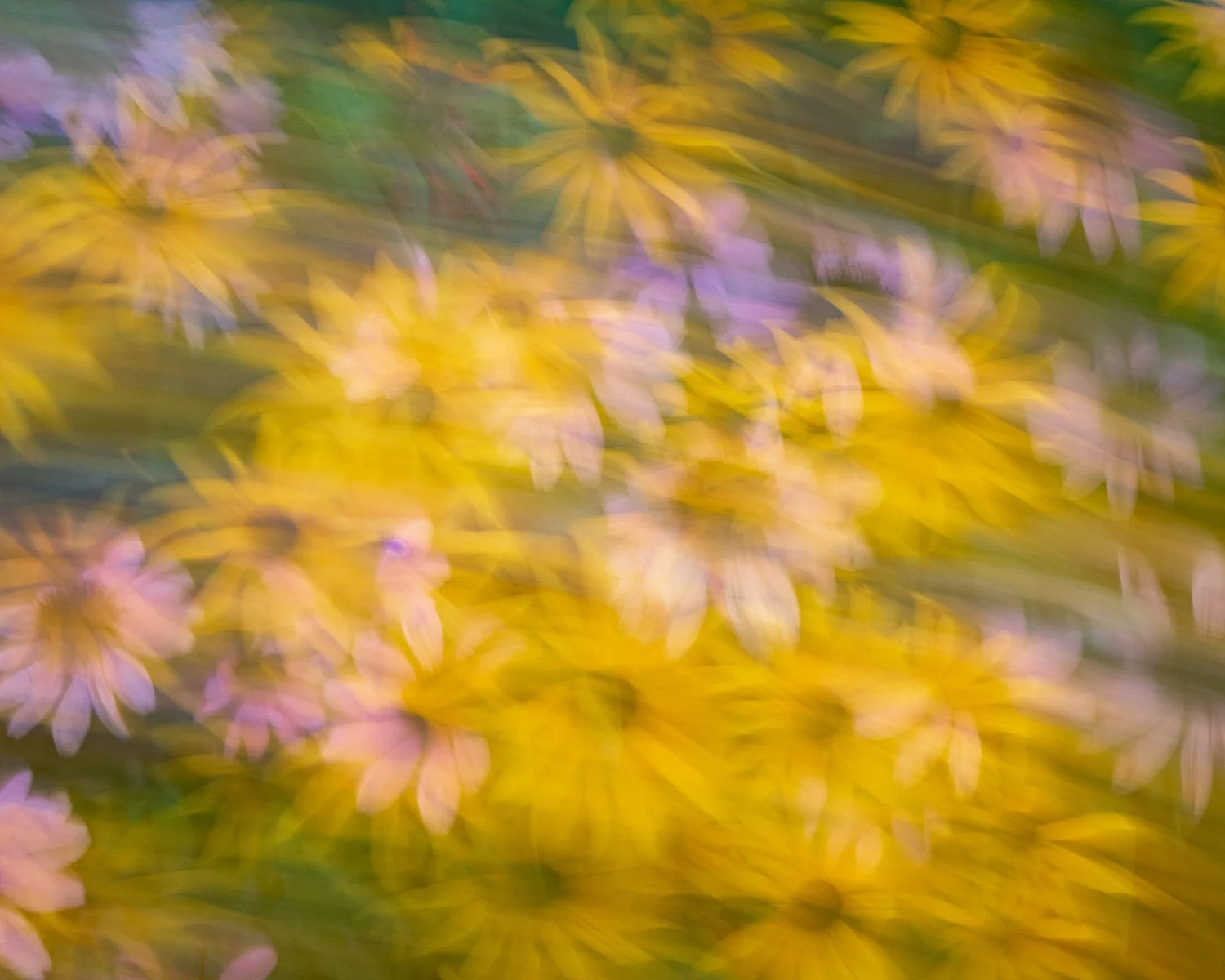
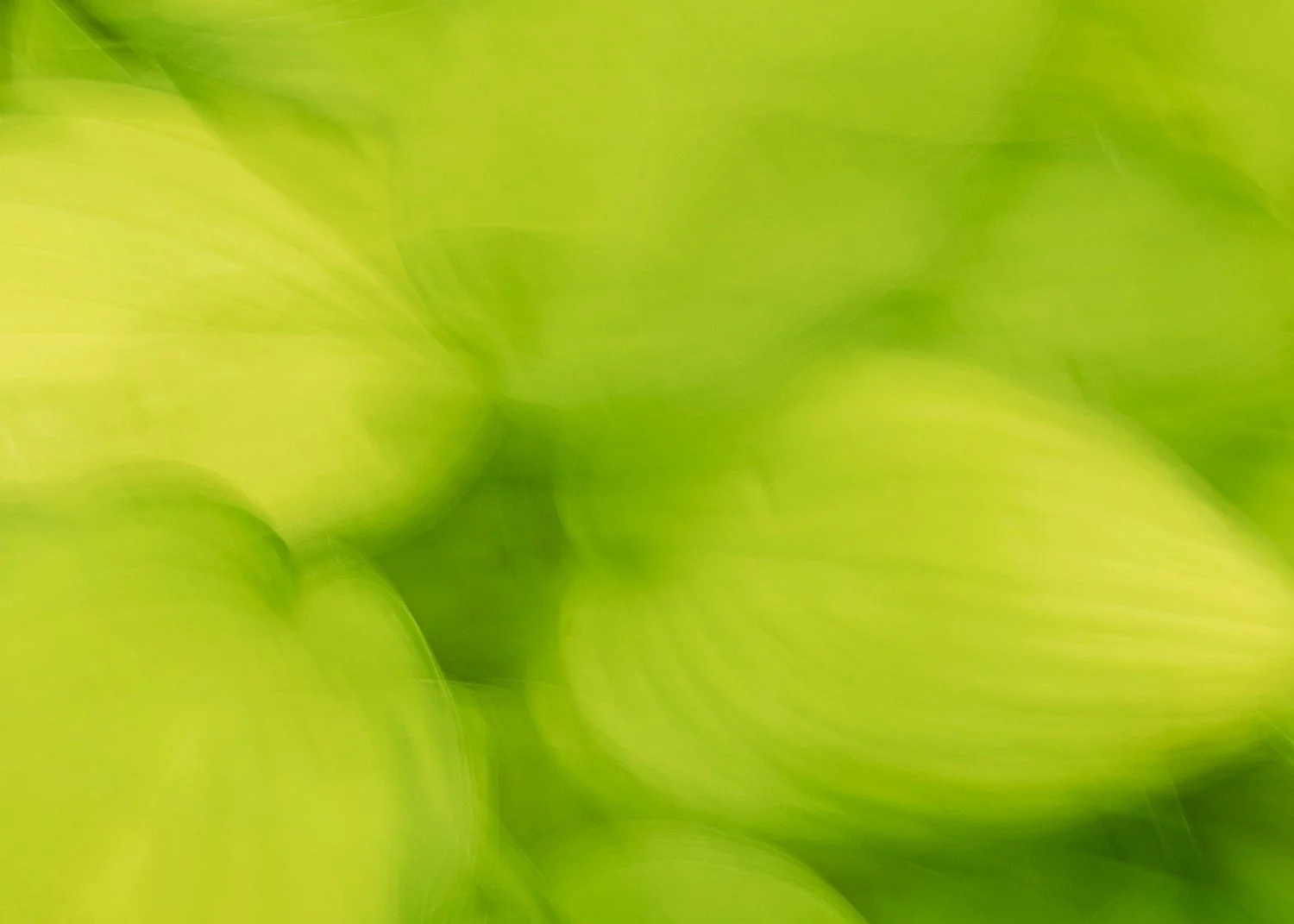
The following images explore a range of multiple imprint applications, from more pronounced interpretations to those that are subtle and nuanced.
Take your time as you move through the series. Look for the underlying camera motion, and consider where moments of stillness may have shaped the final image.
Additional context is available by hovering over each image, offering insight into the process behind the capture.


Final Words
As an extension of the imprint technique, multiple imprinting offers another way to introduce layers of creativity into your work. Whether applied subtly or more deliberately, it provides a means to shape both structure and atmosphere in line with the intent behind the image.
If you’ve explored this approach yourself, I’d be interested to hear how it has influenced your work - and to see the results of your experimentation.