
Advancing ICM - Interpreting the Human Form: Concepts
Introduction
Much of the Advancing ICM series so far has explored techniques that can be applied across a wide range of subjects. This post takes a slightly different direction, focusing not on technique alone, but on a single subject: the human form.
Because of the depth of this subject, I have divided the discussion into two parts - this first post considers the key concepts involved, while a second will explore many of the techniques I use in practice.
When I look back across my own body of ICM work, the human form is the one subject that stands out above all others. There is something compelling about suggesting the essence of form without relying on detail. Mood, gesture and a sense of motion become the dominant forces, inviting connection through feeling rather than description.
This approach is not new. Photographers such as Ernst Haas were following bodies in motion as early as the 1950s, while earlier still, photographers of the pictorialism era used camera movement to soften and interpret their subjects.
But the human form introduces a different kind of challenge.
Unlike static subjects, people carry inherent structure and familiarity. We instinctively recognize and expect proportion, posture and gesture. Even slight distortion can shift an image from expressive to unsettling, or from abstract to unreadable.
Add motion from the subject itself, and the complexity increases further. The relationship between camera movement and different parts of the body in motion becomes far more pronounced.
This raises an important question:
How far can camera movement be pushed while still retaining the presence of the human subject?
Exploring this balance opens a new dimension within ICM - one where motion does not simply transform a scene, but interacts with identity, gesture and form.
Approach
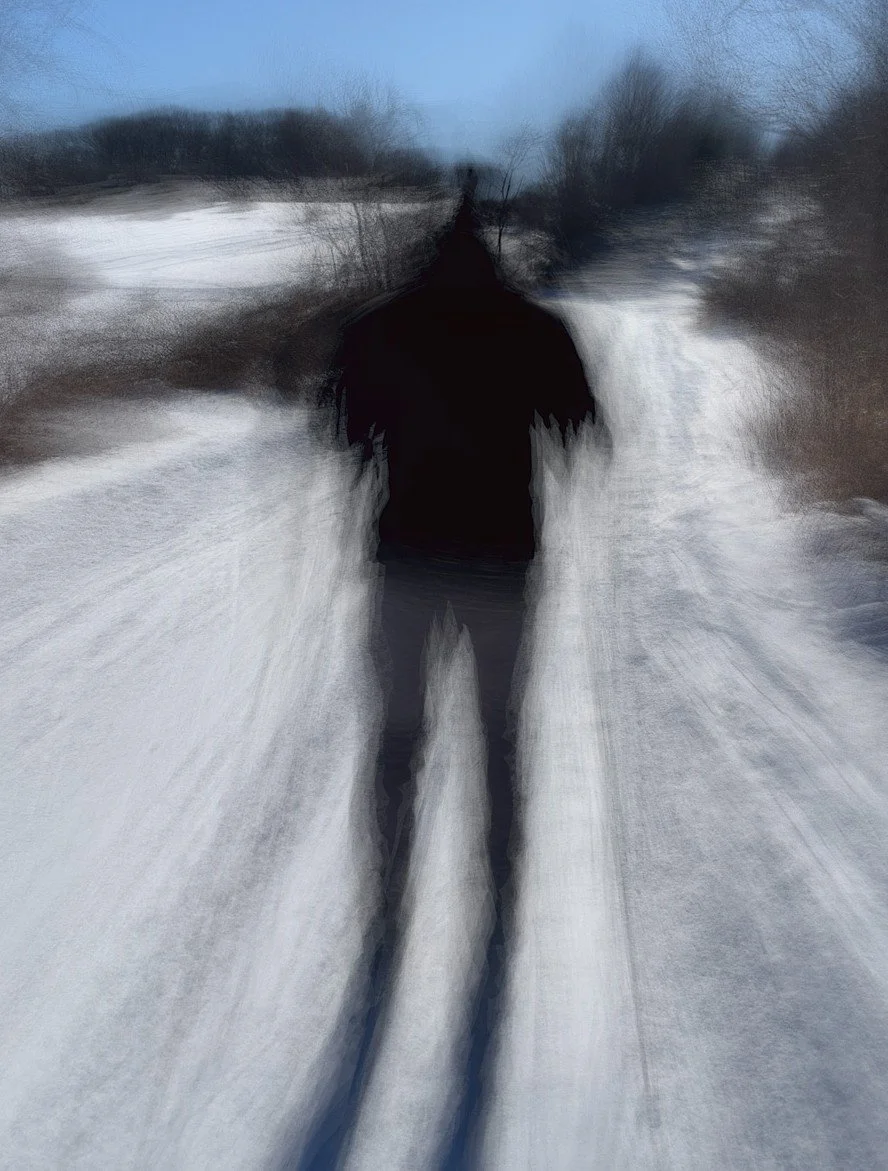
Failures such as this are common, but with understanding comes success
Working with the human form in ICM is less about movement alone, and more about control within movement.
When it works, the result carries a sense of flow and cohesion; when it doesn’t, the figure can collapse into something unreadable.
Small variations in timing, direction and stability can dramatically alter how the subject is perceived. A subtle shift in camera motion may preserve gesture and presence, while a more aggressive movement may push the image toward abstraction.
This is where photographing people differs from many other ICM subjects.
With the human form, motion is not simply applied to a subject - it must respond to it.
In many ways, this is not a departure from earlier techniques, but a refinement of them. The same principles of camera movement remain, but here they become more sensitive, more deliberate, and often more dependent on the relationship between photographer and subject.
The challenge lies in balancing expression with recognition - pushing movement far enough to transform the figure, while retaining enough form for the subject to remain present.
That balance sits at the heart of this approach.
With that balance in mind, several recurring elements tend to shape successful interpretations of the human figure.
Key Elements
Maintaining form
Every successful ICM image I have made involving the human figure shares one common thread: the preservation of form.
Form may exist merely as a suggestion in more abstract work, or appear more explicitly where movement is restrained. Often only fragments of structure - a stance, a silhouette, a gesture - are enough to suggest the human presence.
In group scenes this becomes even more important. Individual movement may vary and forms may overlap, but the image still needs a point of connection - a figure, or even part of a figure, where the eye can rest.
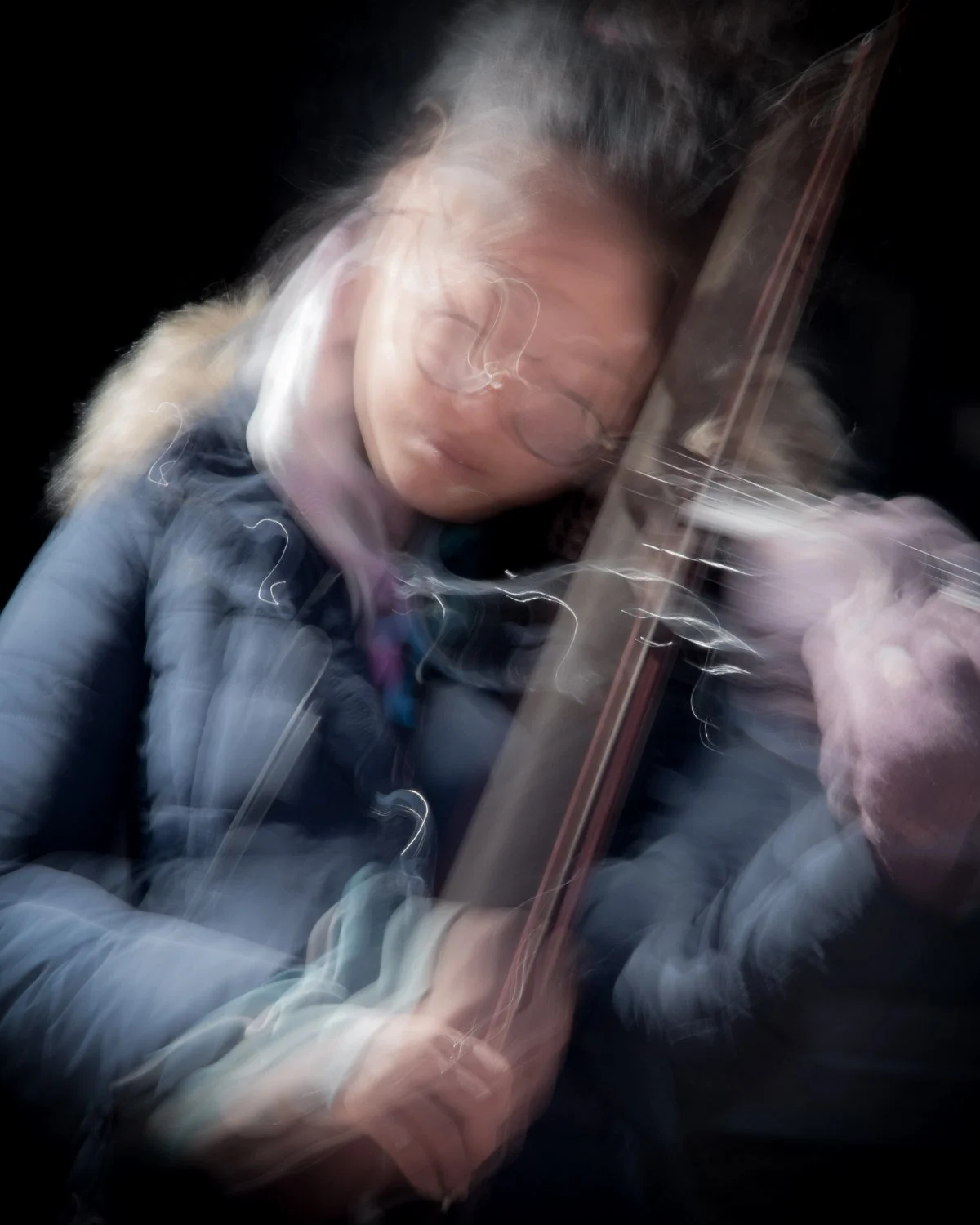
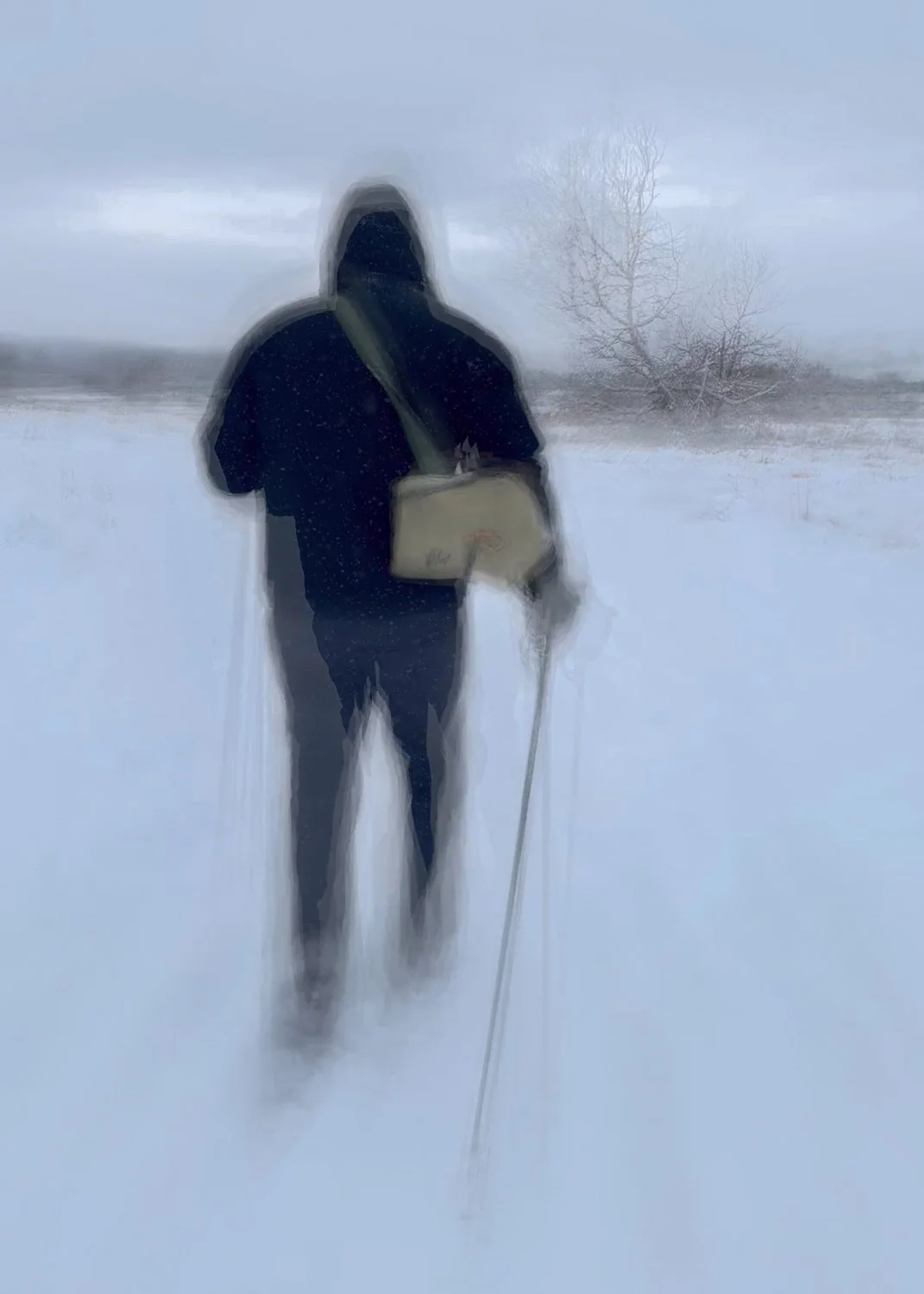
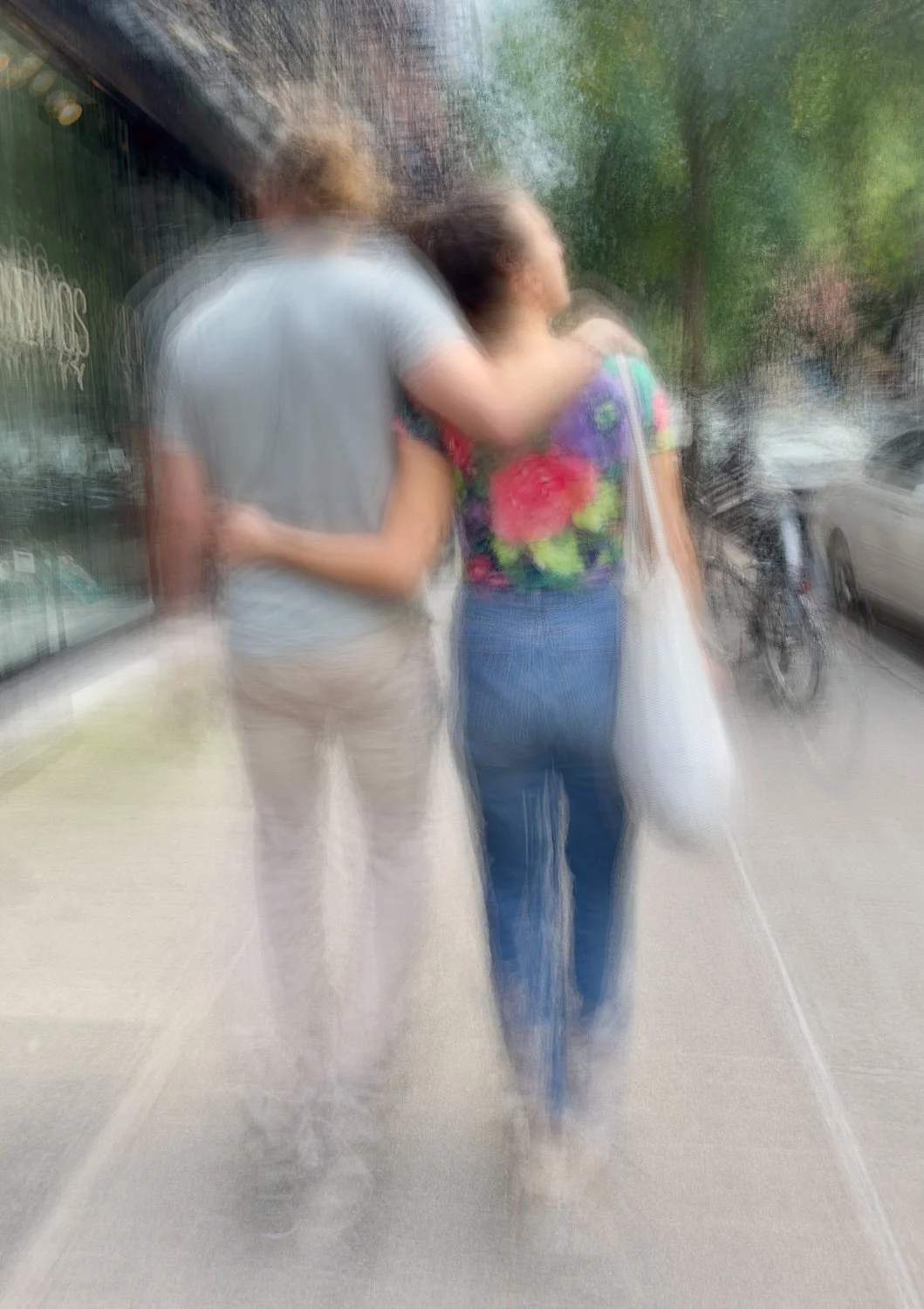
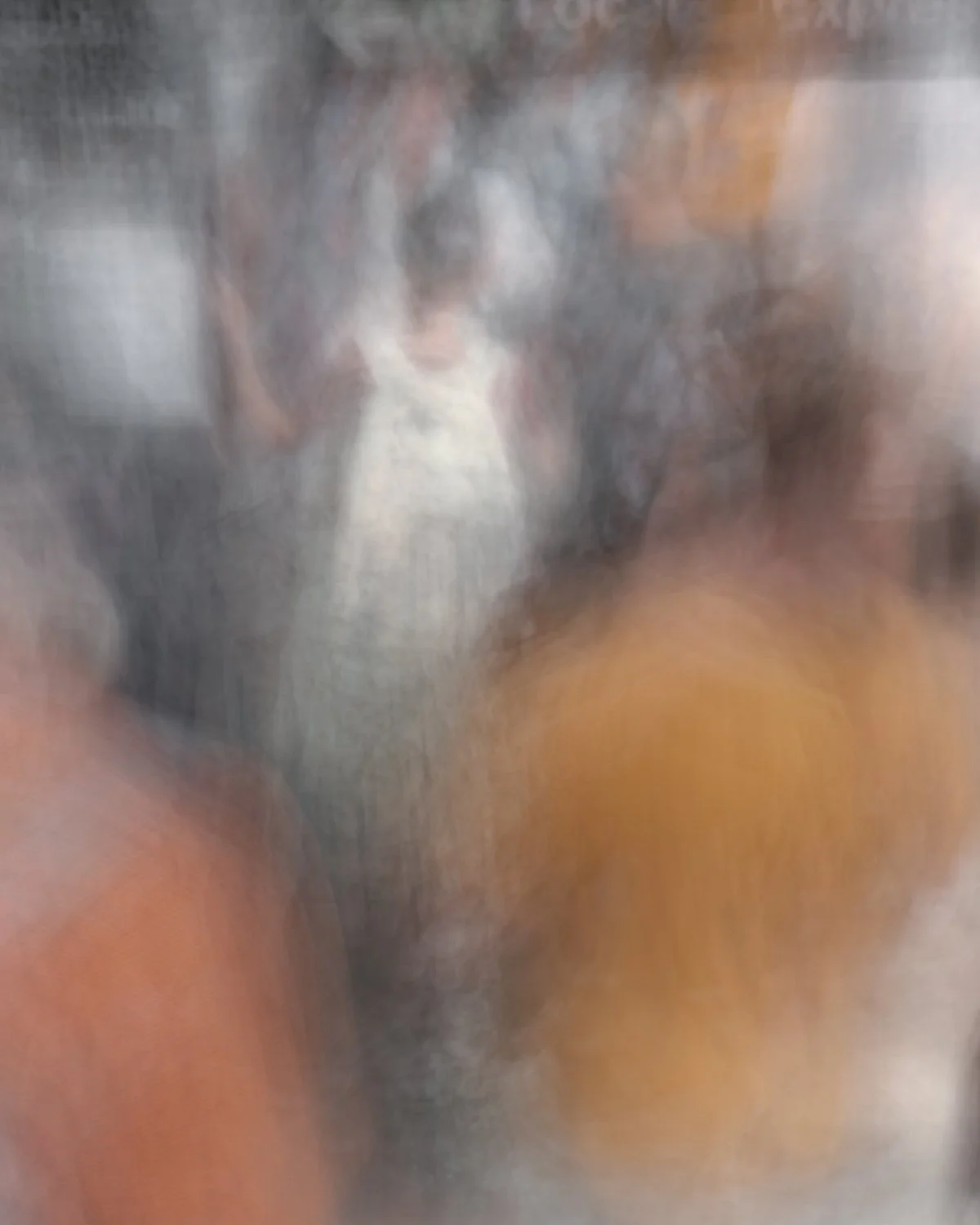
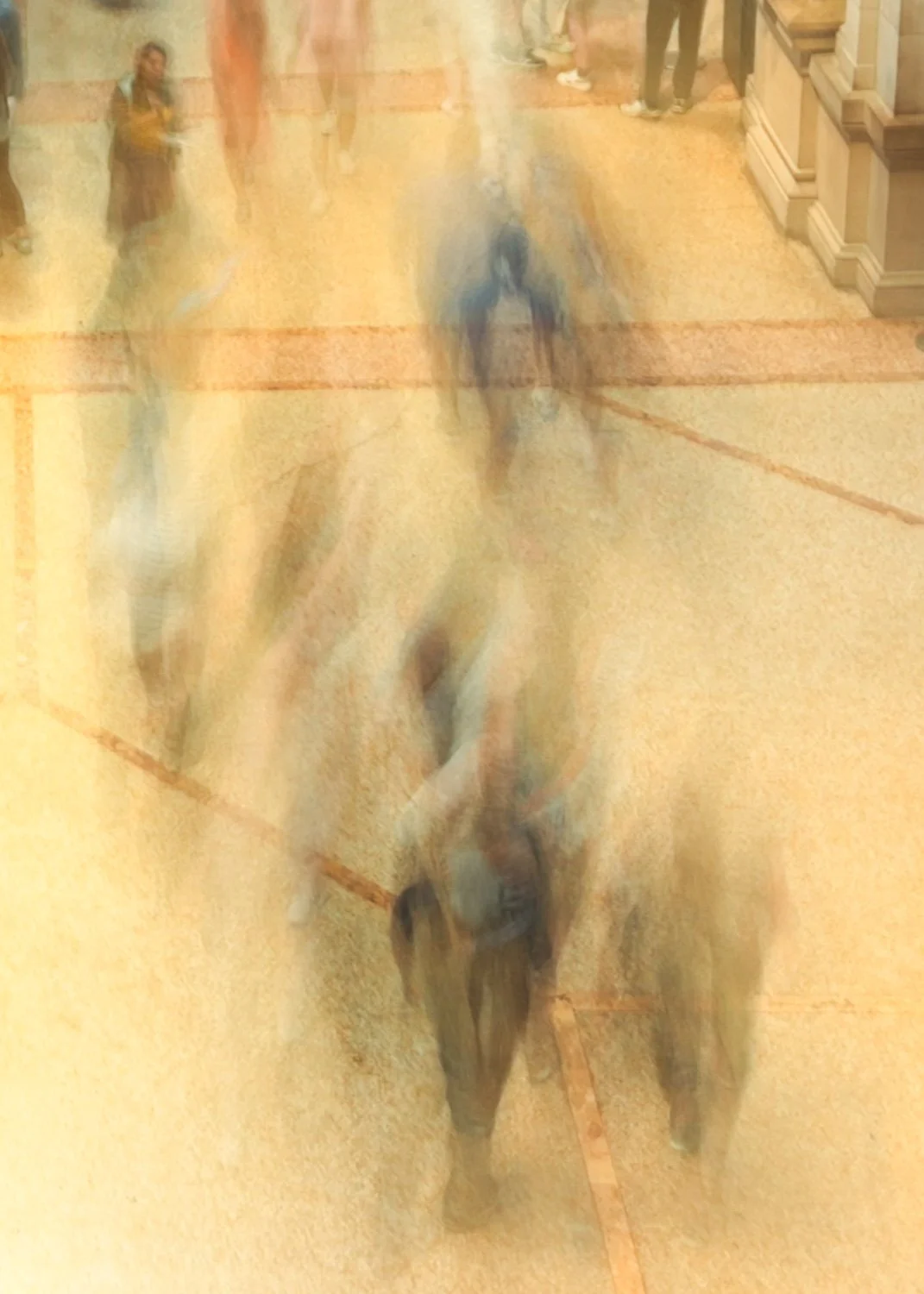
For me, maintaining form is less about preserving detail than preserving recognizability. It is often the difference between an image that feels expressive and one that simply dissolves into blur.
Timing
Timing is critical when working with moving figures.
We know that shutter speed, combined with both camera and subject movement, determines the degree of blur, with longer exposures generally increasing abstraction.
Yet while exposure duration matters, the timing of the shutter release often matters even more.
Releasing the shutter at the right moment can strengthen recognition. A walking figure captured mid-stride - with arms and legs clearly separated — often conveys motion far more effectively than a less defined position.
In many cases, it is not simply movement being recorded, but the character of the movement.
Harnessing this can be challenging, particularly when subject and camera are both in motion. But remaining aware of these decisive moments and working through multiple exposures when the subject’s movement warrants it can make a significant difference.
Gestures
As detail falls away, gesture becomes increasingly important.
A tilt of the head, the sweep of an arm, or the stance of a figure can carry an entire image. These subtle cues provide structure and meaning where finer detail no longer exists.
Gesture often becomes the thing that allows an abstracted figure to remain human.
Recognizing these moments as they emerge - and pairing that awareness with timing - is essential to making them work.
Visual cues
Visual cues help anchor the image in reality.
Objects such as umbrellas, broad summer hats, bicycles, or other familiar elements can provide context and make a scene more relatable. They offer the viewer something to interpret, helping bridge the gap between abstraction and recognition.
When detail is reduced, these cues can carry surprising weight. They can suggest narrative, reinforce gesture, and often provide the connection that draws a viewer into the work.
Used thoughtfully, visual cues can be a powerful complement to the human form itself.
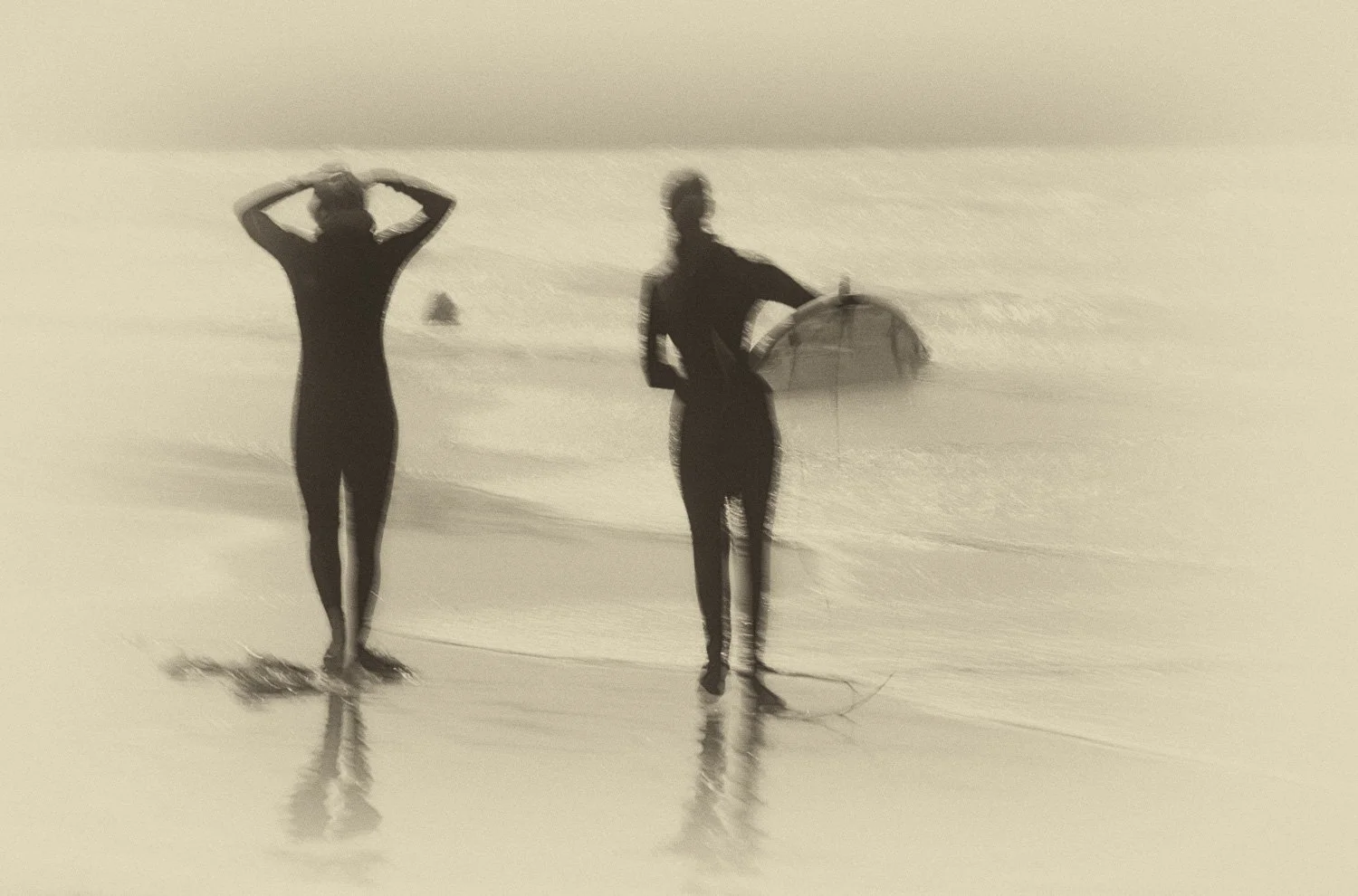
With an absence of detail, gesture, timing and a strong visual cue all work together to convey the scene to the viewer
Final Words
Choosing ICM to capture the human form can be one of the most challenging - yet creatively rewarding - areas of this practice.
Successful images rely on an understanding of how detail can give way to suggestion, mood and gesture, while still retaining a sense of presence.
That challenge deepens once the subject itself is in motion, demanding greater awareness, patience and control - with luck perhaps a final ingredient.
The concepts explored here form some of the foundations that can help shape these images.
In the next post, I will move from concepts into practice, exploring a number of the techniques I use to capture the human figure through motion.
For now, I hope this has offered something of value, and perhaps inspires you to continue your own exploration of the human form.