
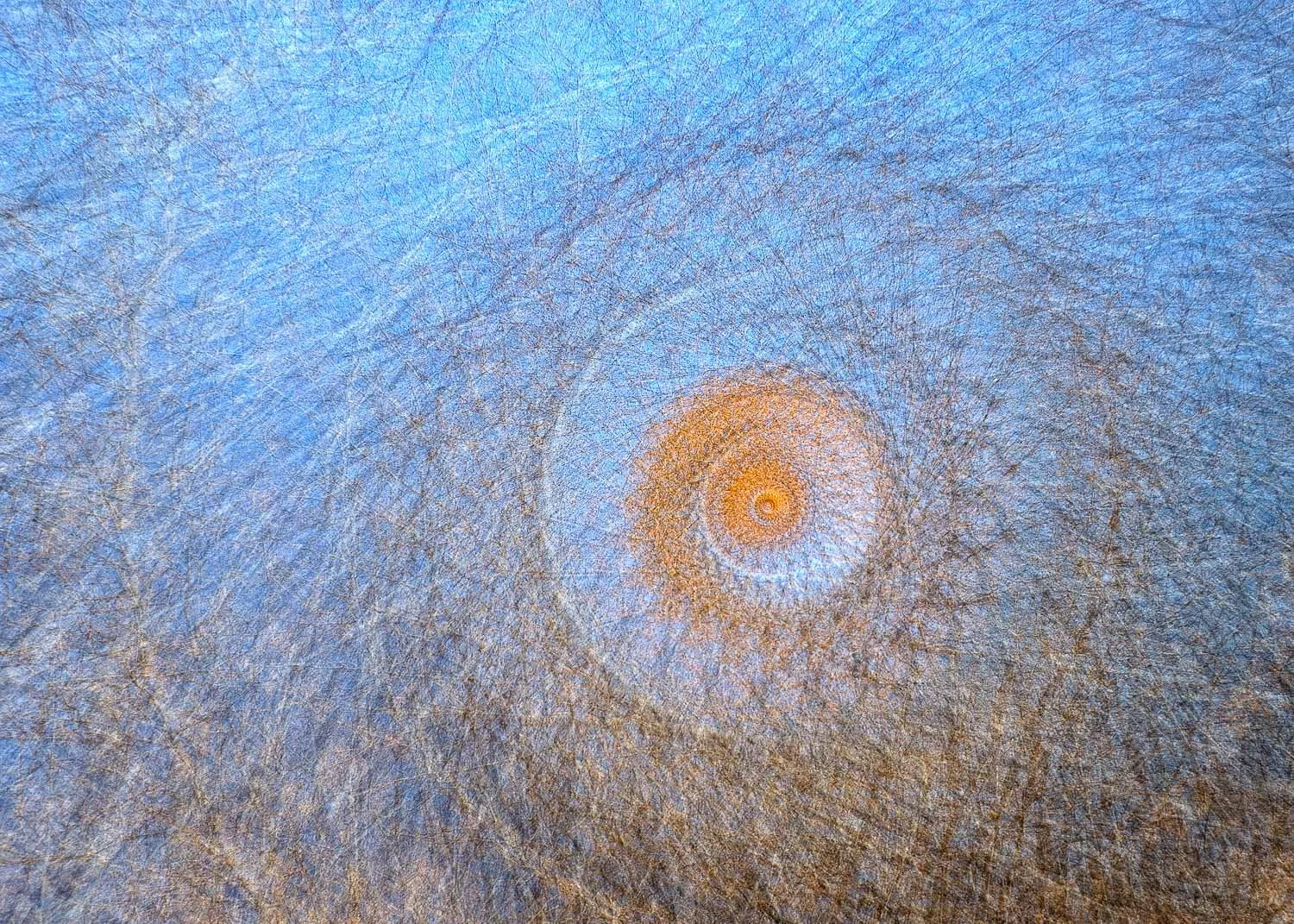
A Different Angle on Abstract Photography
Join me on a woodland wander as I experiment with capturing the last splashes of Fall color in some unexpected ways.
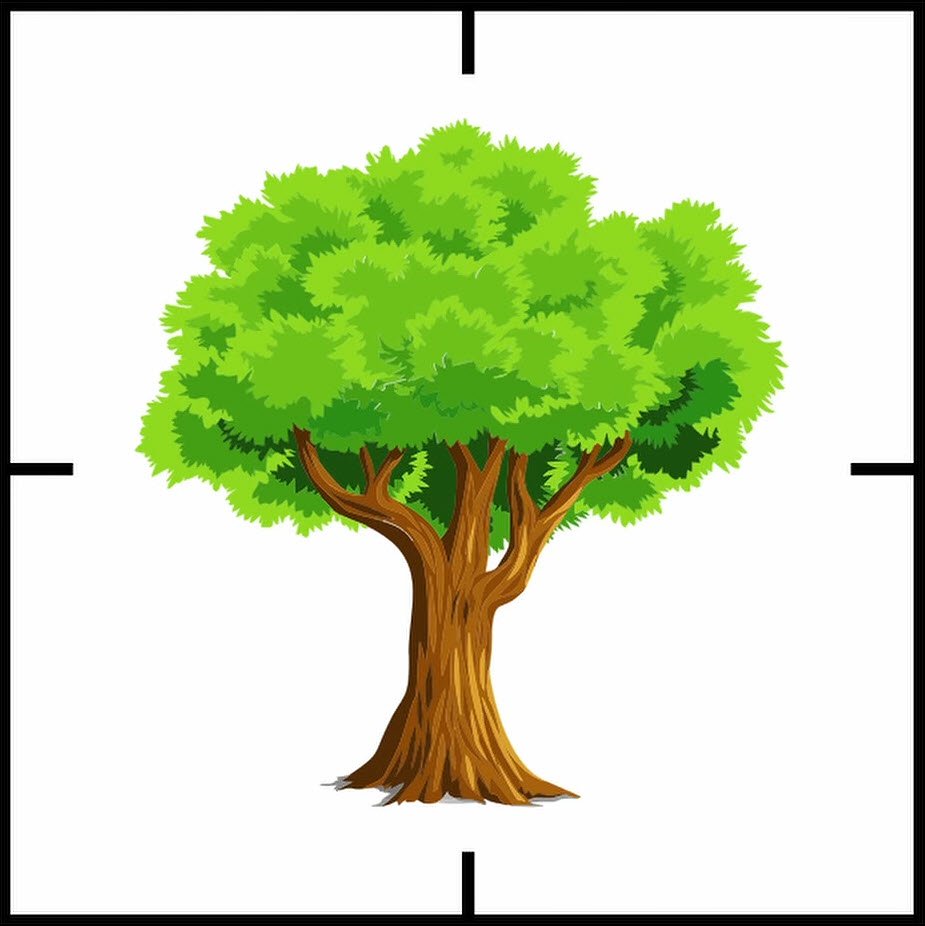
A Comprehensive Guide to the ‘In the Round’ Technique
It’s not often that I come across a video that I feel accurately portrays Pep Ventosa’s ‘In the Round’ technique.
This is one I can wholeheartedly recommend, not least because it mirrors much of my own approach to the process.
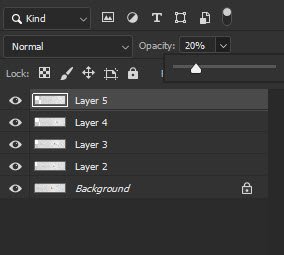
Baseline Opacity Calculation Solved!
Setting opacities in Photoshop to ensure multiple layers contribute to the end result has always been a challenge for me, and I suspect numerous others.
Now at long last I have been handed a solution - one that takes a lot of the guesswork out of the process and one that helps ensure the intended result is achieved.
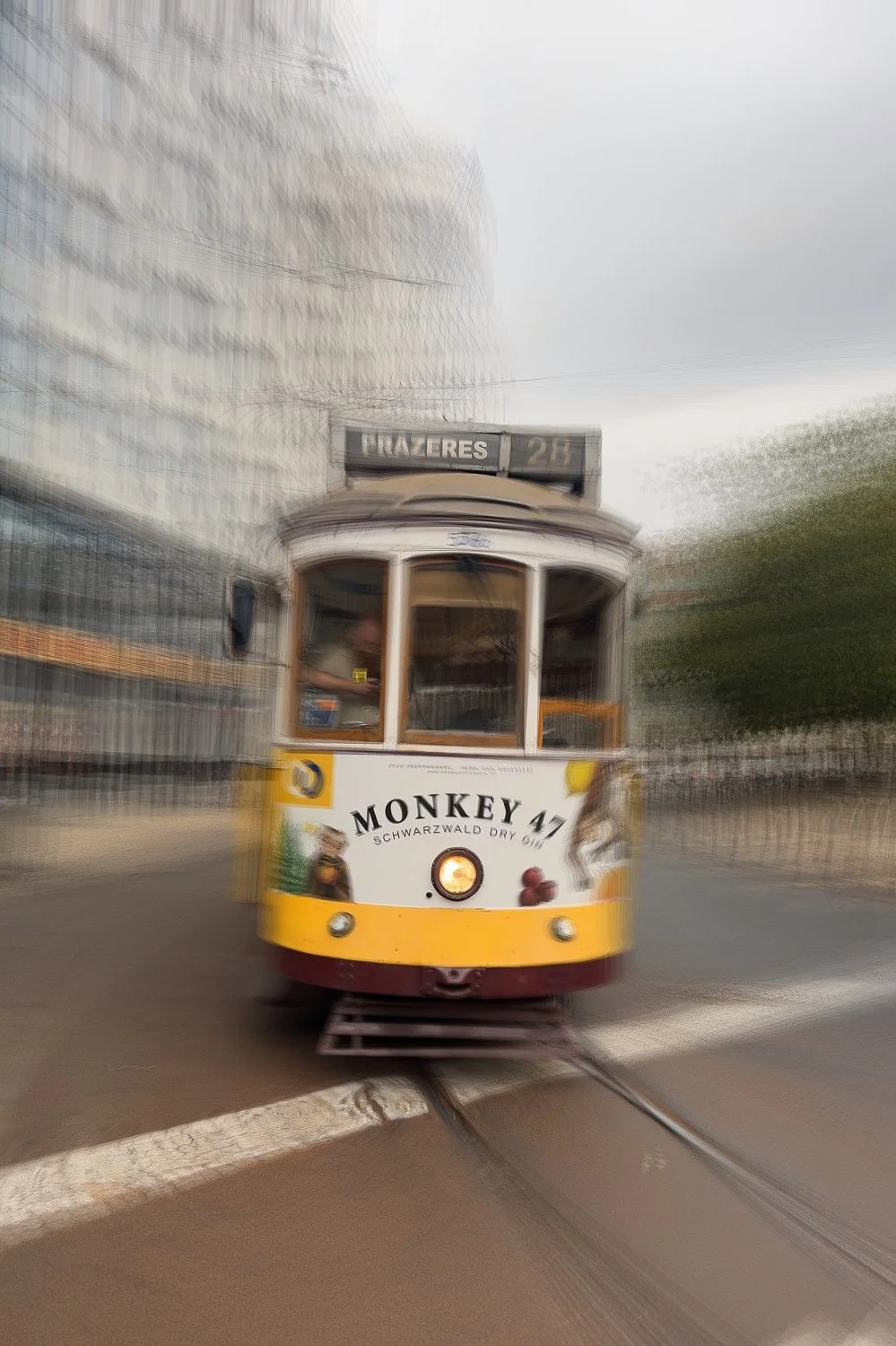
Exploring Pep Ventosa’s ‘In the Round’ using Bluristic Angle Mode
In this post, I explore Bluristic’s lesser-known Angle mode and how it might be used to recreate Pep Ventosa’s ‘In the Round’ technique on an iPhone.
Perhaps I’m just looking for a new angle on the technique! :-)

Presentation announcement - ‘Mindful ICM’
This post announces a forthcoming presentation (Gateway Camera Club), but also reflects on how I believe ICM has matured over the years.
At the heart of this evolution is what I call ‘Mindful ICM’ — a more considered approach that reduces reliance on chance and places greater emphasis on intention, understanding and control.

Odd Bods - a different side of ICM
Not every ICM image goes according to plan.
When using ICM to capture the human form, my intent is to retain the general form of the subject. But what do we do with images where ICM takes that form beyond what we consider acceptable?
Rather than consigning such images to the trash can, in this post I decided to give them a second look - and a name: Odd Bods.

What IS ICM - and who gets to decide?
As ICM continues to grow in popularity, so too does the debate over what actually constitutes an ICM image.
Is the current definition still fit for purpose, or should it evolve to reflect the creative techniques photographers use today?

Bluristic Track Afterwards - a closer look
One of Bluristic's lesser-known features is its ability to let you configure settings after the image has been captured. Unlike the app's primary shooting modes, which require decisions to be made before pressing the shutter, this approach offers a far more flexible way of working.
After spending time exploring this underused feature, I discovered that it brings with it some genuinely exciting creative possibilities.
Read on to uncover the mystery of Bluristic's Track Afterwards capture mode.

Review of Bluristic version 1.8 for iPhone
Known for its unique features, Bluristic has become an increasingly popular tool among creative photographers over the past year.
I am pleased to announce the release of a new iPhone version, featuring an expanded set of creative tools together with improvements to stability and usability.
Read on to discover the latest changes and see Bluristic in a whole new light.

The Art in Being Yourself
Sometimes unexpected moments remind us why our core values matter.
This post reflects on one such experience and the importance of staying true to your own creative principles.

Advancing ICM - Multiple Exposure blends
So far, our Intentional Camera Movement techniques have been restricted to motion captured within a single exposure.
In this article, however, we explore how combining multiple exposures opens entirely new creative directions for ICM photography.

Mobile ICM - long exposure app comparison test
The mechanism behind long exposure on a standard camera is well understood, but mobile devices operate very differently, producing distinct results.
In this post I attempt to discover how long exposure images are actually created on mobile devices.
Along the way I identify tell-tale signs that not only distinguish mobile long exposures from traditional cameras but also reveal differences between the apps themselves.

Advancing ICM - Interpreting the Human Form: Techniques
In the previous post, we explored the concepts behind applying ICM to capture the human form.
Here, the focus shifts to technique- ranging from subtle micro-movements to more complex multi-exposure compositions.

Advancing ICM - Interpreting the Human Form: Concepts
This two-part Advancing ICM series explores the creative challenges of photographing the human form with intentional camera movement - first through key concepts of form, gesture and recognition, then through the techniques used to bring these ideas to life.

Advancing ICM - Multiple Imprinting
Following on from the imprint technique, this post considers multiple imprinting as a natural extension.
It introduces the idea of adding further moments of stillness within a single exposure, and explores how structure and motion can coexist within ICM.

Advancing ICM - the power of Imprint
If I had to point to one technique that reshaped how I approach ICM, it would be what I call Imprinting.
Rather than letting movement override a scene, imprinting allows its character to remain, woven into the motion itself.
In this post, I explore what that means in practice, what it can bring to your own images, and how camera direction influences the final result.

Advancing ICM - expanding the experience
While the ICM Unlocked series established a foundational understanding of the craft, it was never intended as an endpoint.
This new series explores processes that move beyond those foundations - pushing into evolving boundaries and new creative territory.

ICM unlocked - Conclusions
This post offers a concise summary of the foundations established in the ICM Unlocked series.
The series is intended to help photographers make more informed choices to achieve more consistent and satisfying results.
Following the conclusion, there is a brief teaser as to what comes next- aimed at photographers who wish to take their ICM to the next level.

ICM unlocked - challenges to understand and overcome
In the last episode, we explored the concepts that can make ICM more predictable - and ultimately more successful.
But like any worthwhile pursuit, ICM brings its own set of unique challenges. Learn to overcome them, and you move closer to mastering the essence of the craft.

Bluristic- understanding capture modes
Previous explorations of the Bluristic app focused on a single capture mode - a deliberate choice that allowed for a more controlled introduction to the app.
In this post, I compare all three capture modes - Blend, Additive, and Negative- not only to highlight their differing characteristics, but to better understand how each can be applied creatively.