
Advancing ICM - Interpreting the Human Form: Techniques
Introduction
In the first part of this two-part series, I explored some of the key concepts that contribute to successful ICM images of the human form - the importance of retaining a sense of the subject, and how gesture, timing and visual cues can help strengthen connection when detail begins to fall away.
Together, these elements allow the viewer to navigate an image more intuitively, making sense of abstraction through suggestion rather than description.
If those ideas form the foundations, the next question is how the scene in front of us can be interpreted through the camera.
That is where technique enters.
This second part focuses on a number of the approaches I continue to use in my own work - not as fixed rules, but as ways of responding creatively to the form of the human figure.
Techniques
Unlike many other subjects, camera movement becomes far more sensitive when applied to the human form.
It is not simply movement itself that matters, but movement in relation to anatomy and the motion of the subject. An image can succeed or fail on how well those two movements - subject and camera - work together.
The techniques that follow are rooted in this relationship.
Insight: motion should either complement the form - or deliberately challenge it.
Softening the still figure
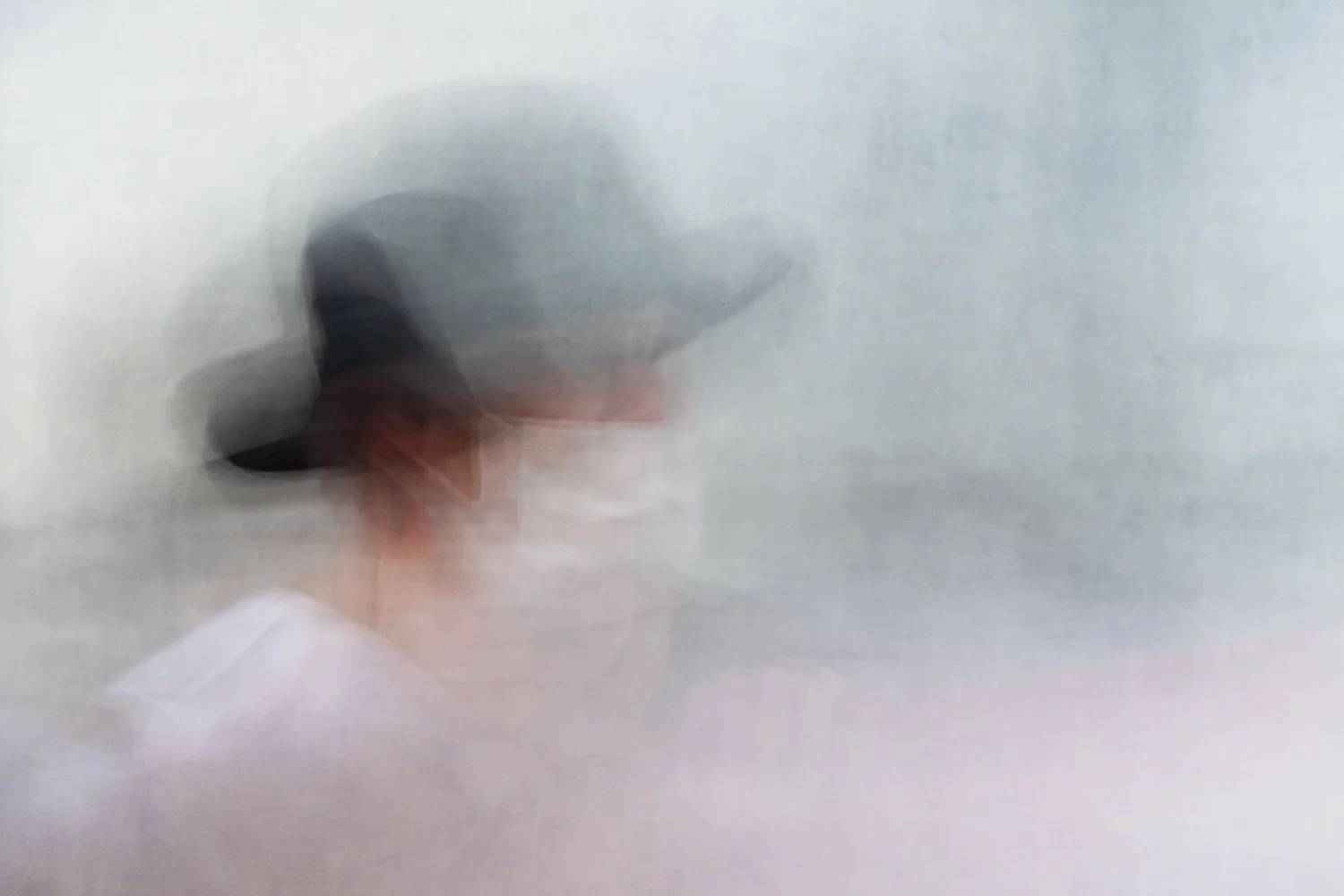
This image was taken with a 1.6s exposure, with the lens at 200mm. Although detail has been replaced by suggestion, enough information remains to help the viewer navigate the image.
When photographing figures that are more or less static, one approach I find particularly effective is what I think of as a softening technique.
Here abstraction is introduced through very subtle camera movement - less a sweeping gesture, more a controlled tremor. The effect is akin to exaggerated camera shake, but used intentionally to soften the subject rather than disrupt it.
This can arise naturally when working with longer focal lengths and shutter speeds around 1/10 second or beyond, where even slight instability begins to influence the image. It can also be introduced deliberately, either through a gentle shuddering motion of the body or through conscious micro-movements of the camera.
The aim is not to distort the subject, but to relax detail while preserving presence - allowing the figure to retain recognizable form while taking on a more painterly, interpretive quality.
Because the movement is restrained, success often lies in subtlety. Too much motion and the figure begins to collapse; too little and the effect may barely register.
Used with restraint, this can be one of the most subtle yet expressive ways of approaching the human form in ICM.
Panning
Panning is a familiar technique, where the camera moves in sync with a subject crossing the frame. Traditionally, this is used to maintain subject sharpness while the background dissolves into blur.
In this context, the objective shifts.
Rather than preserving detail, panning is used to separate the subject from the environment - allowing detail to fall away while retaining just enough structure to suggest motion and form.
What makes this useful in ICM is that the movement can reinforce the natural flow of the subject. When camera and subject move in sympathy, the resulting image often feels cohesive, with motion appearing as an extension of the figure rather than something imposed upon it.
The degree of abstraction can be controlled through shutter speed, the precision of the pan, and how closely the movement follows the subject. A tighter, more accurate pan may preserve more structure, while a looser interpretation can push the image further toward suggestion.
Used in this way, panning becomes less a method for freezing a moving subject, and more a way of interpreting movement itself.
Following motion with the lens
A natural extension of panning is to follow the subject’s movement more loosely.
Here, camera motion is no longer restricted to a horizontal plane. Movement can occur at any angle, responding directly to the subject’s action rather than the frame itself.
Rather than simply tracking a figure across the scene, the intent is to move with the rhythm of the body - responding to gesture, direction and momentum as they unfold.
This approach relies on tracking and anticipation: observing the subject and predicting movement through the scene.
Because the motion is less constrained than traditional panning, the results often feel more fluid and less literal. The figure may fragment in places, yet still retain enough structure to suggest presence.
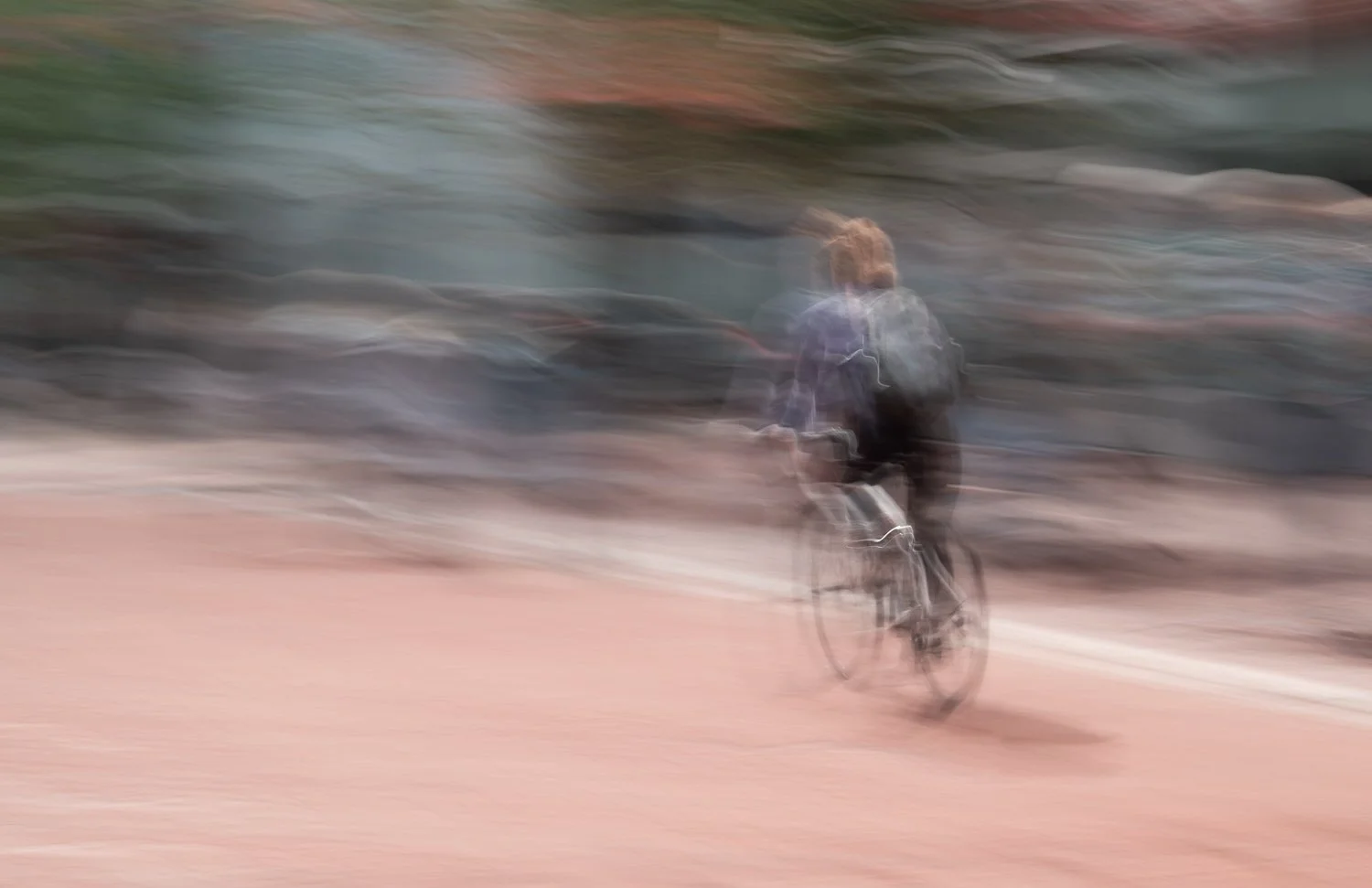

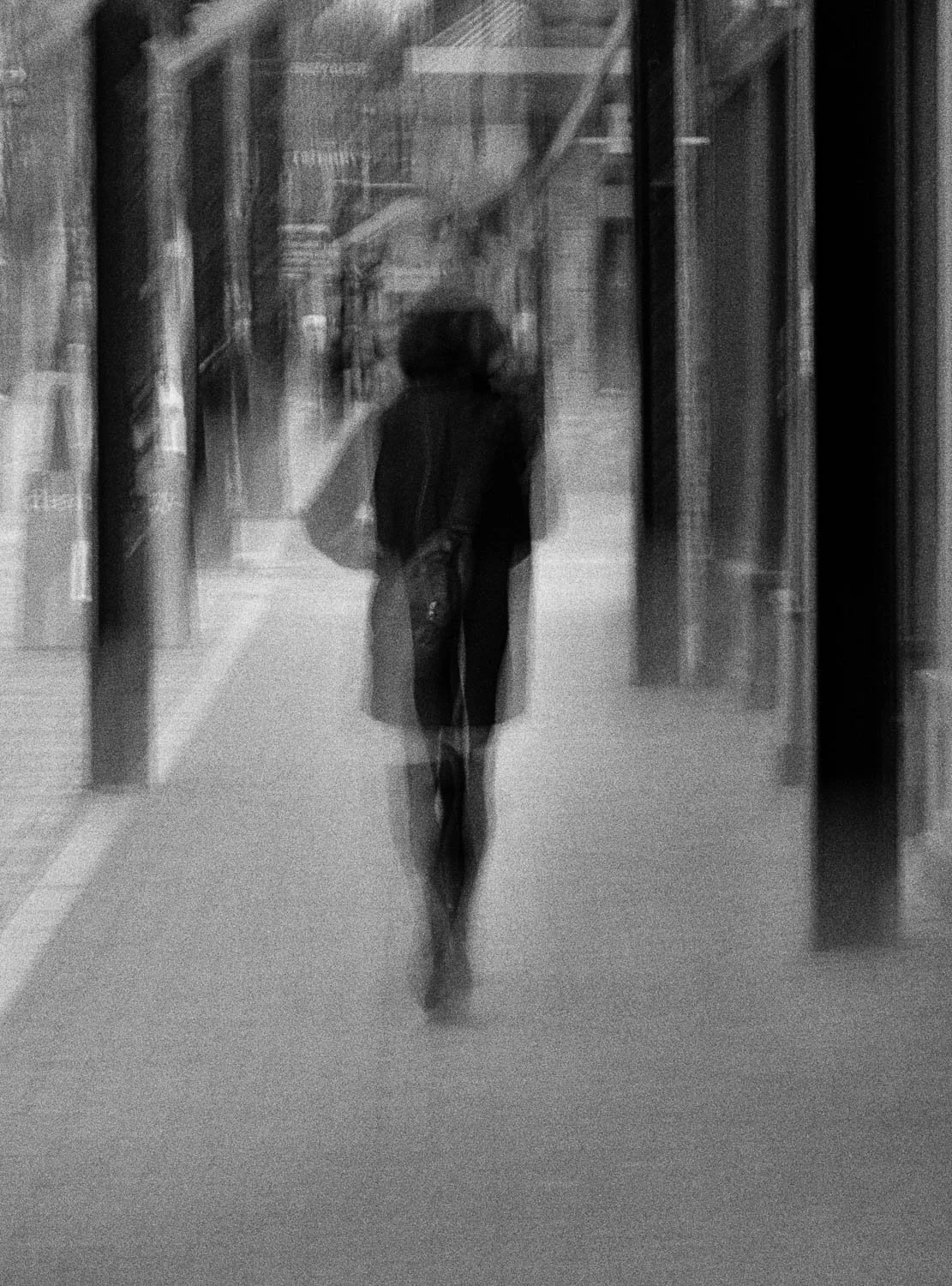
In my own work, shutter speeds typically range from 1/5 second to 3 seconds, depending on the subject, their motion, and how far I want the image to depart from reality.
Longer exposures can increase abstraction, but often it is the quality of the camera movement - more than exposure length alone - that determines whether the image holds together.
Used well, this approach can produce images that feel less like depictions of motion and more like expressions of it.
followICM
followICM is a technique I developed while working on the streets of New York City.
It builds on earlier approaches, but introduces a fundamental shift: the camera is no longer operating from a fixed position.
By moving with the subject and maintaining a consistent distance, the entire scene becomes dynamic. Every element is affected by its relative motion to the camera - subject, foreground and background alike.
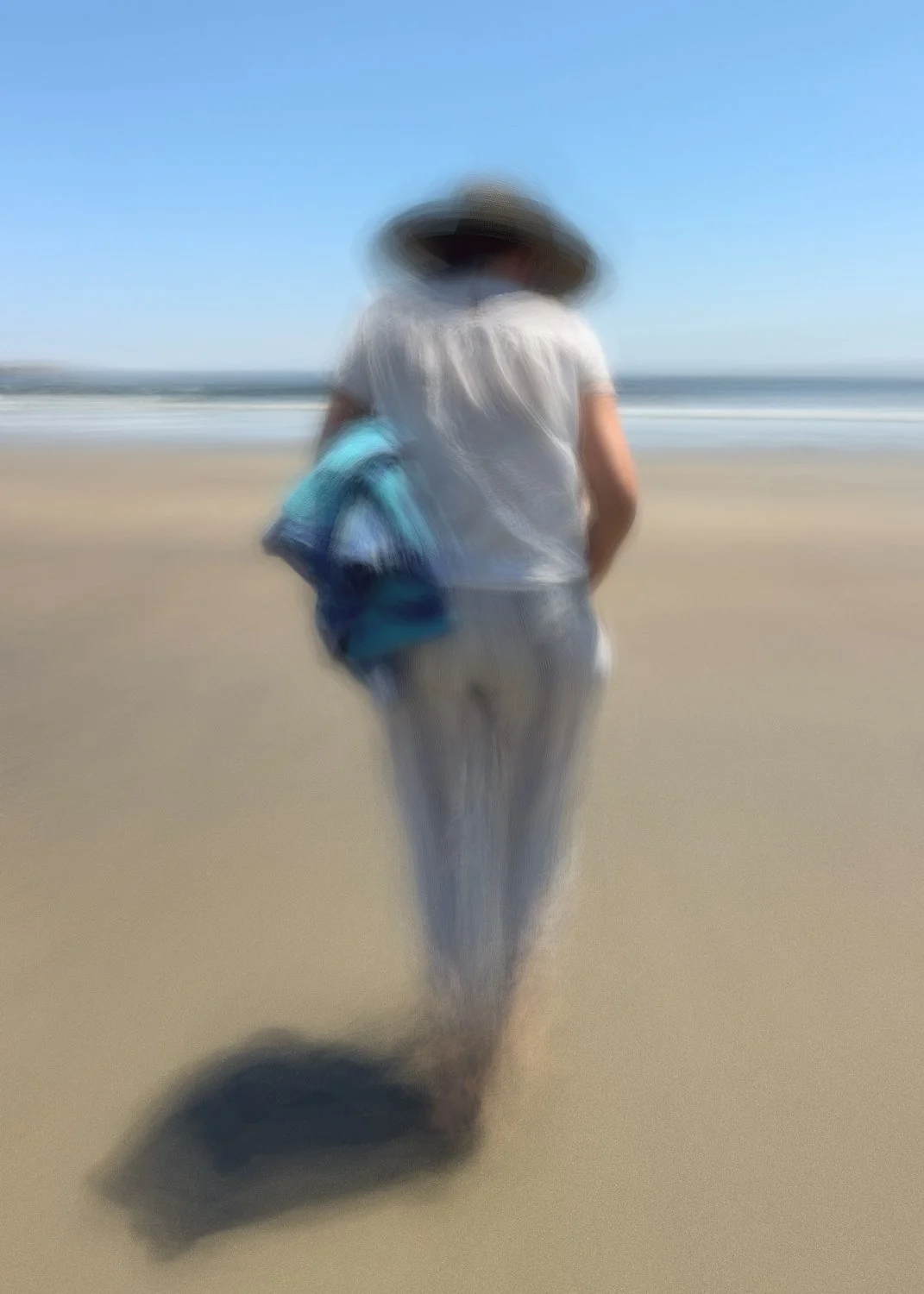
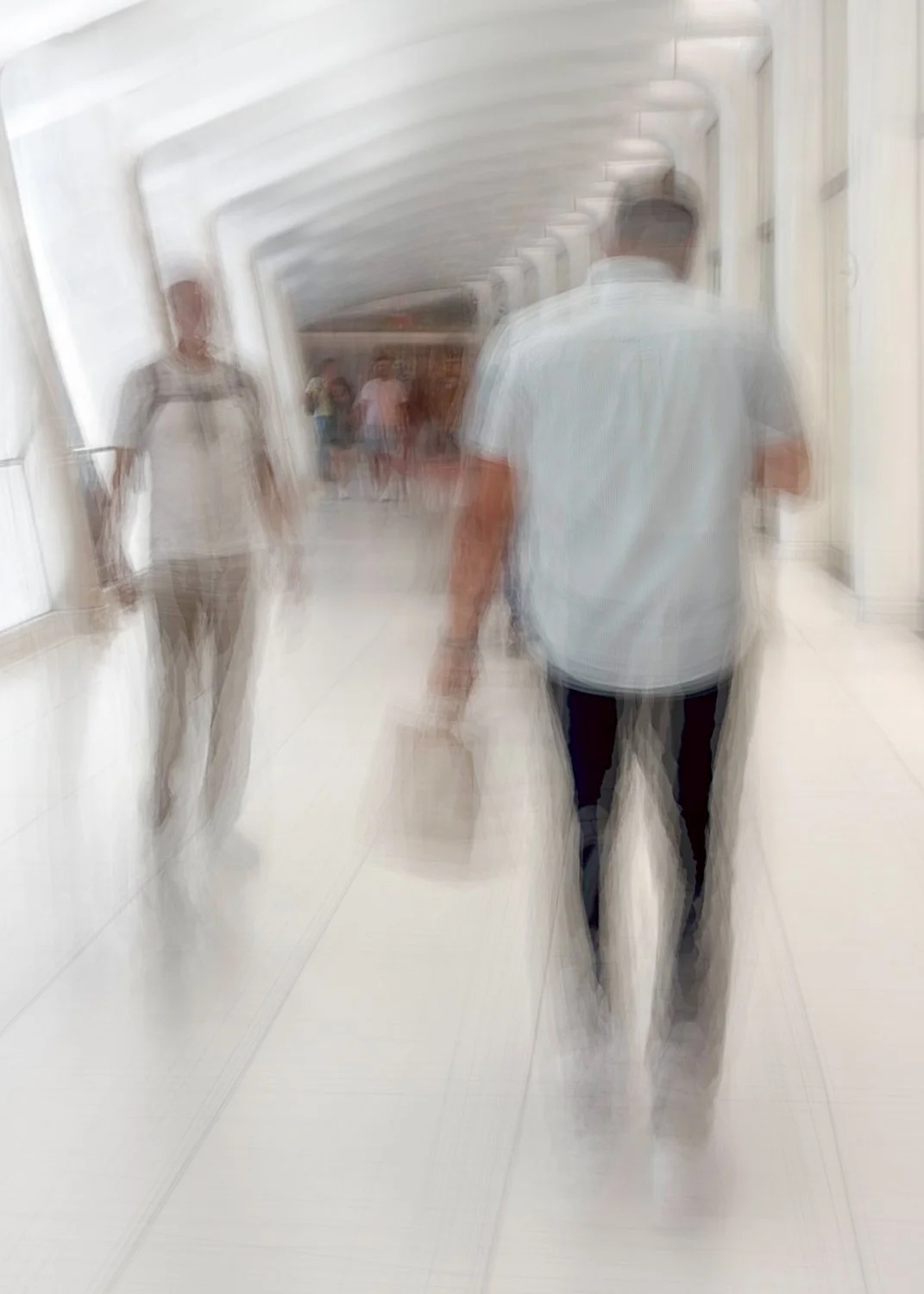
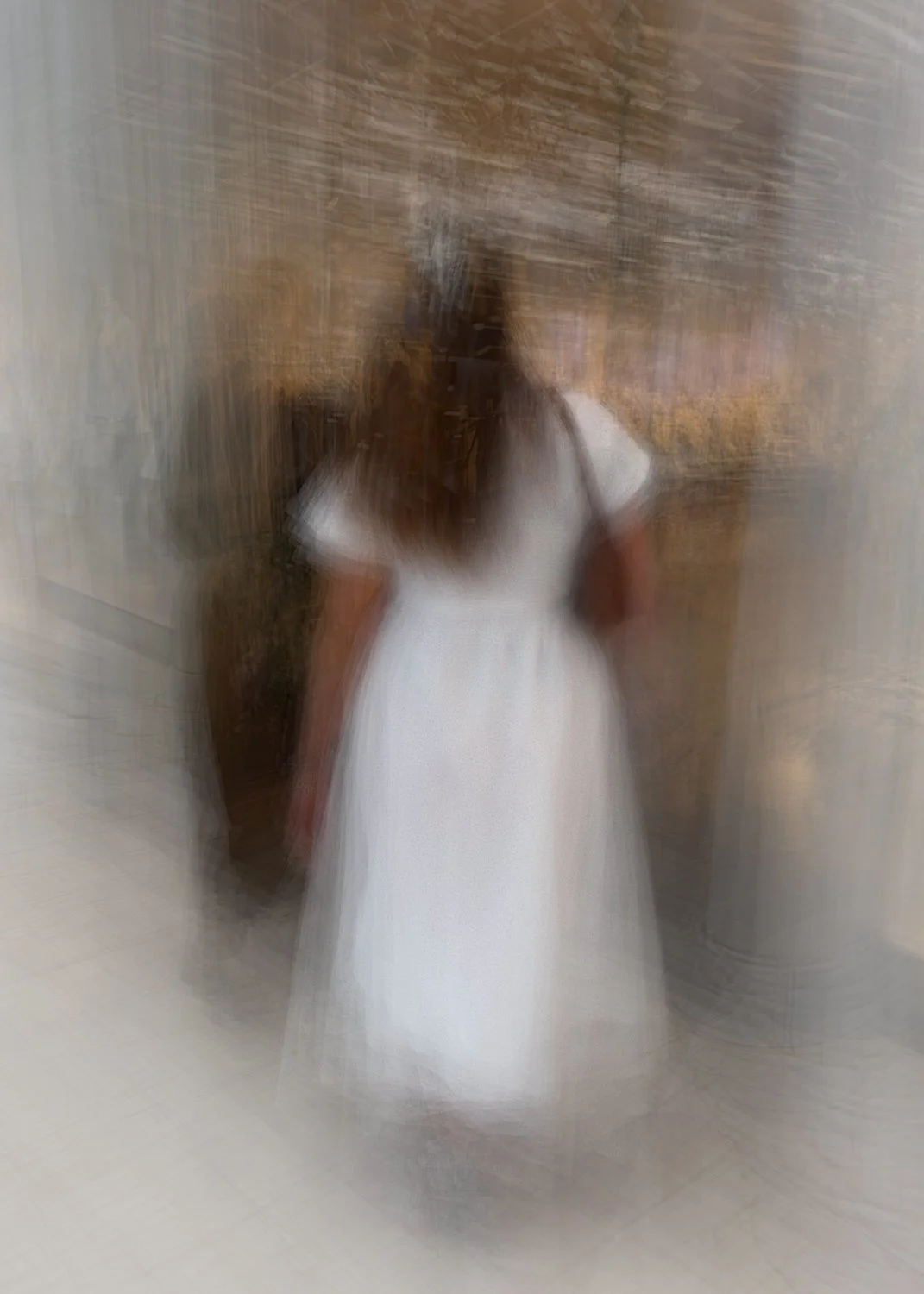
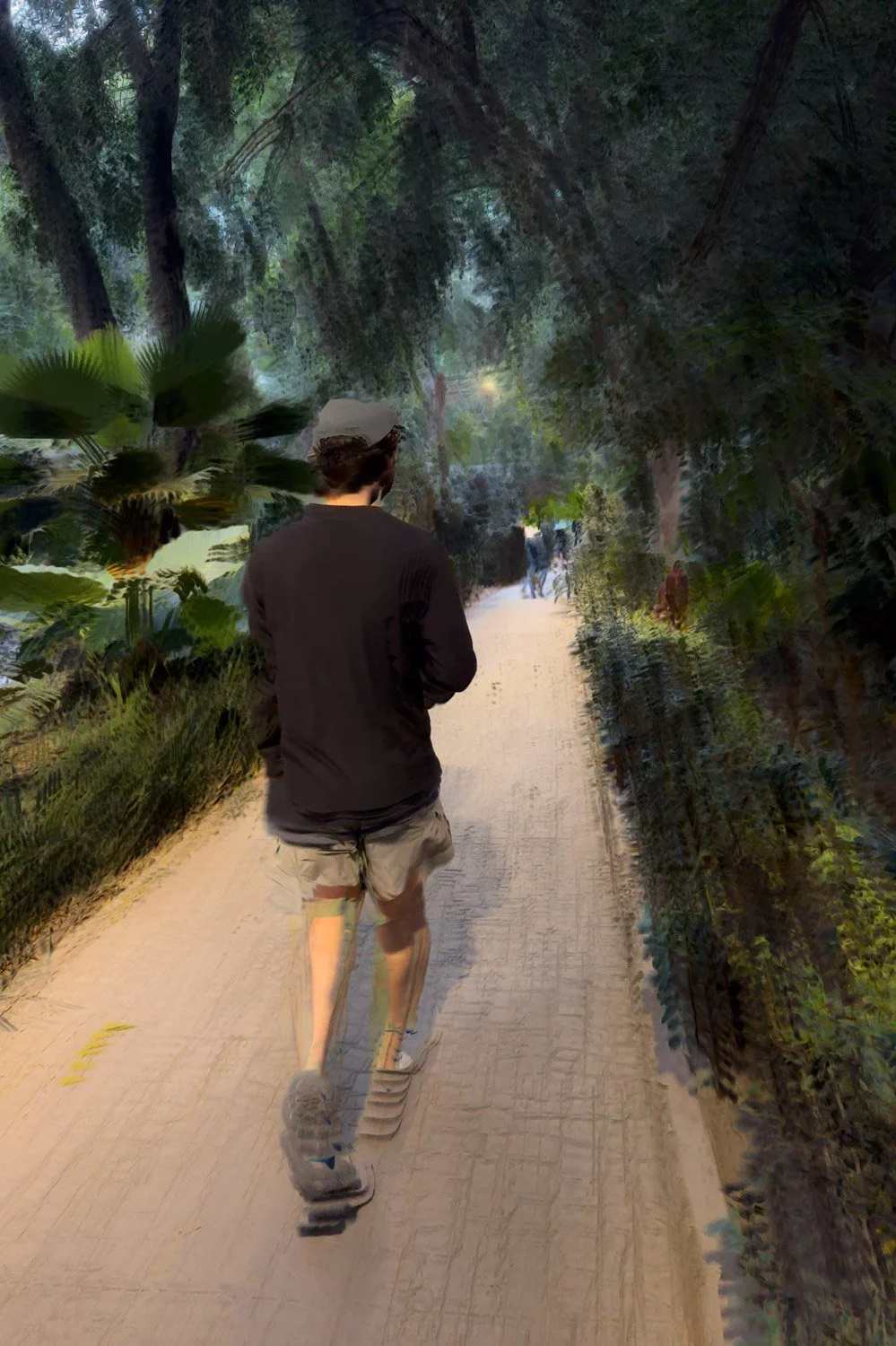
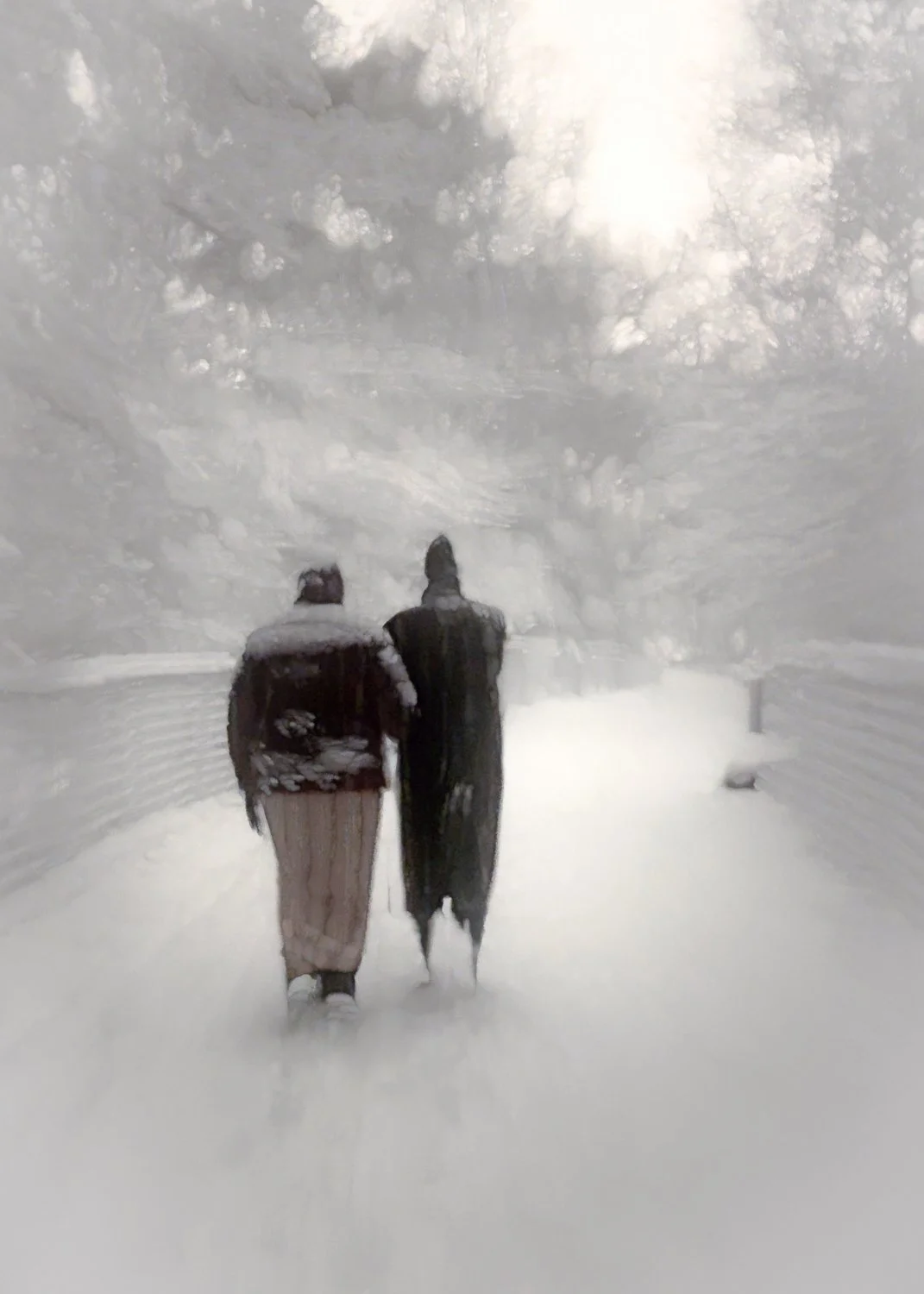
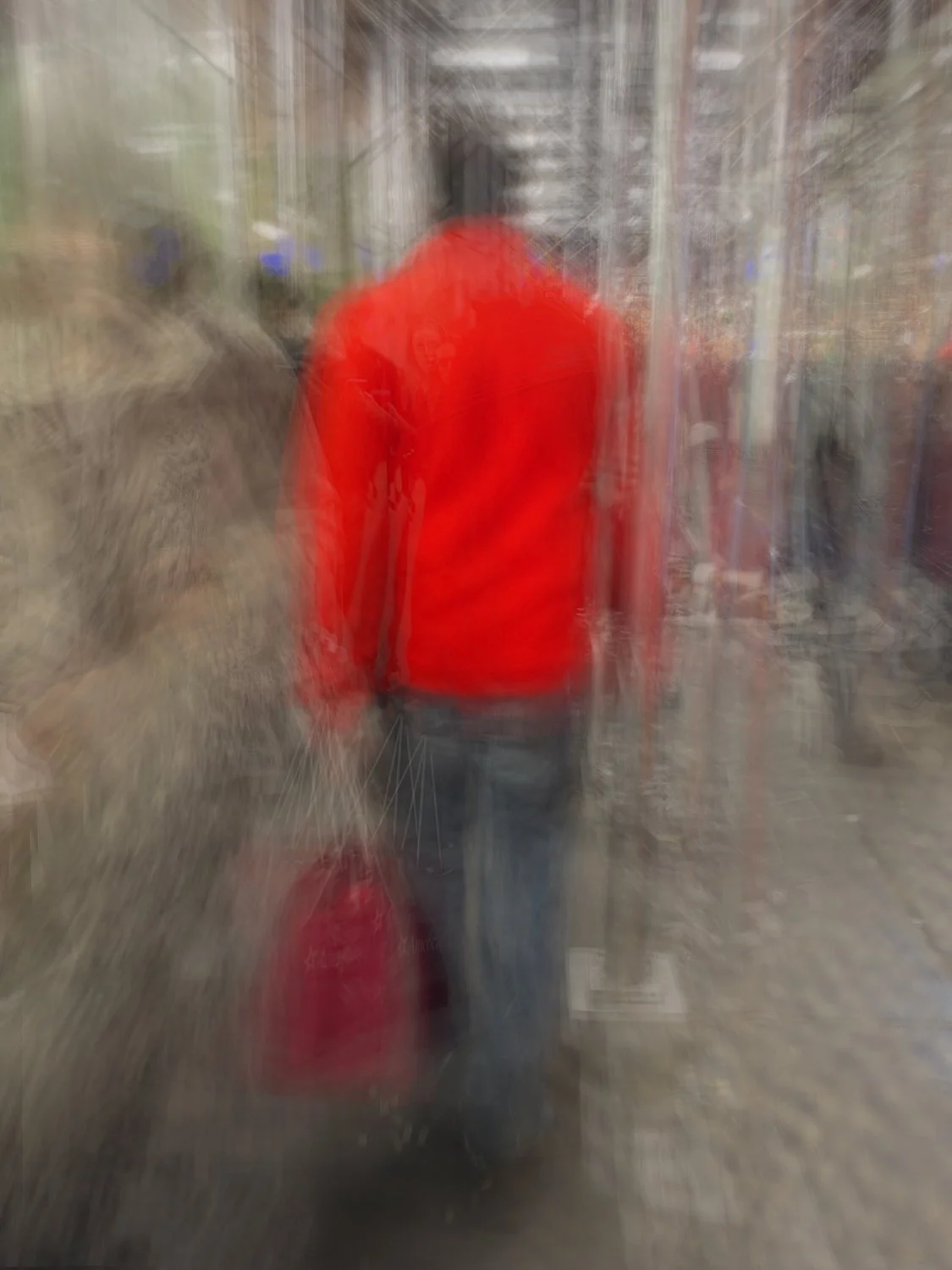
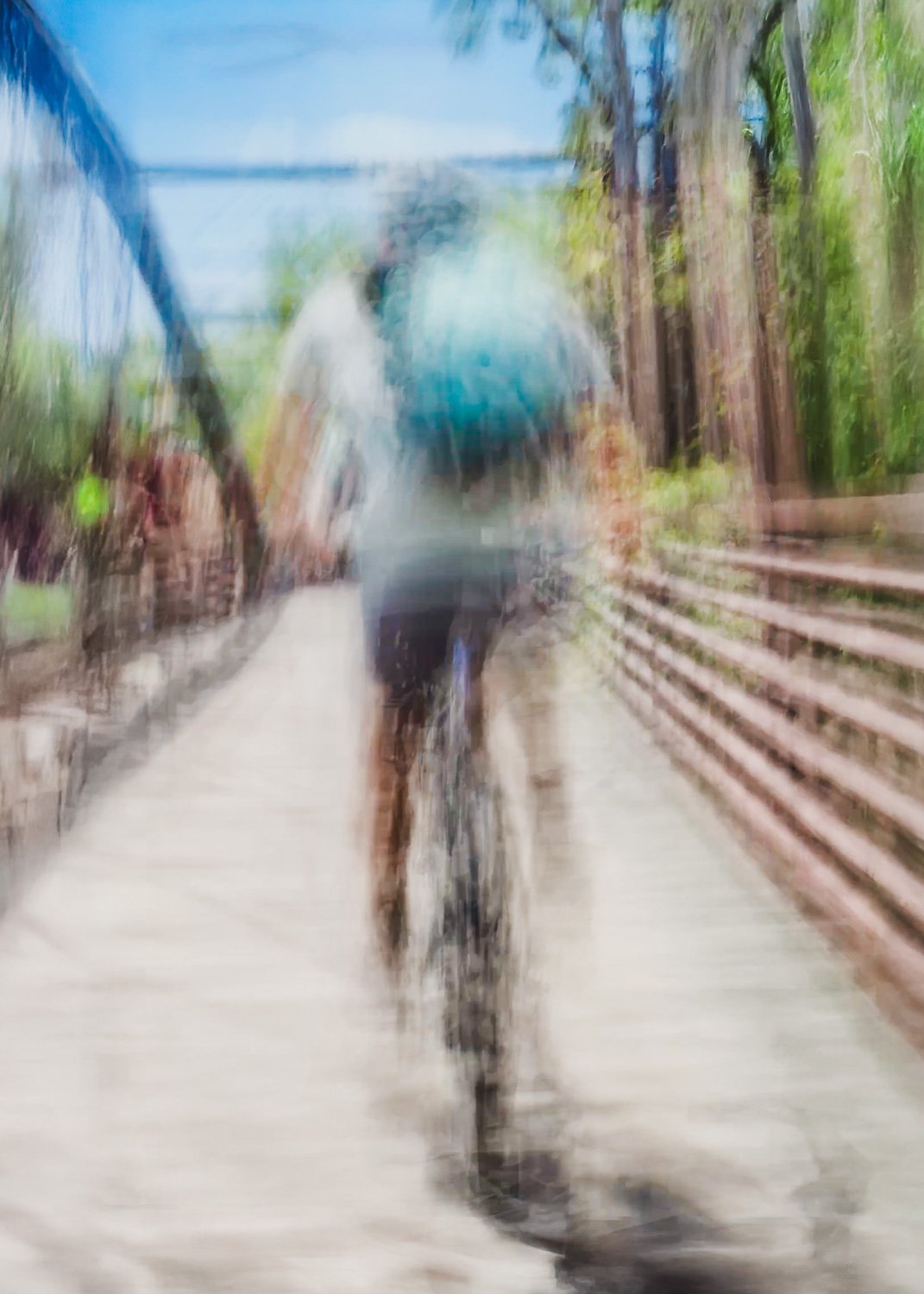
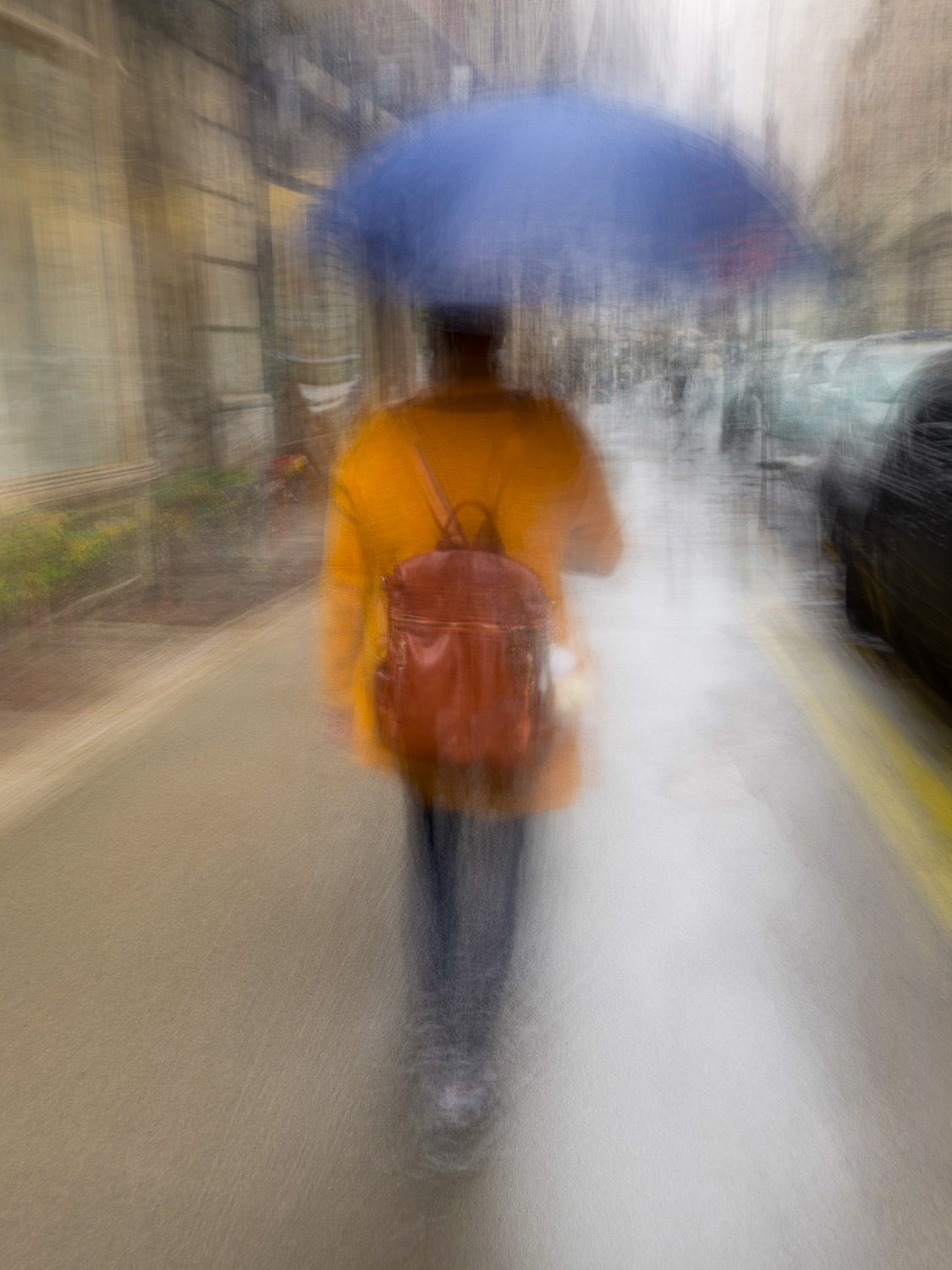
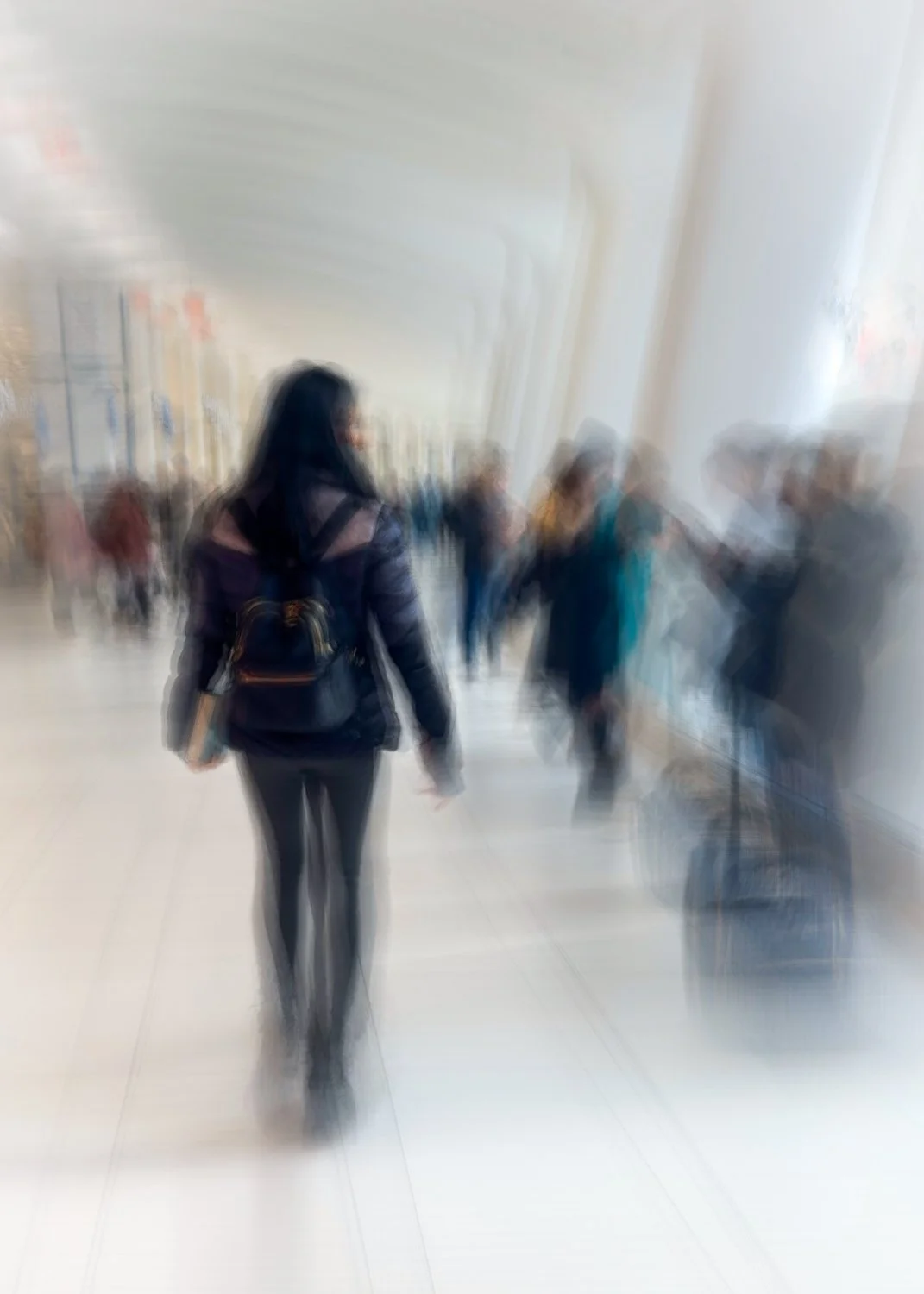
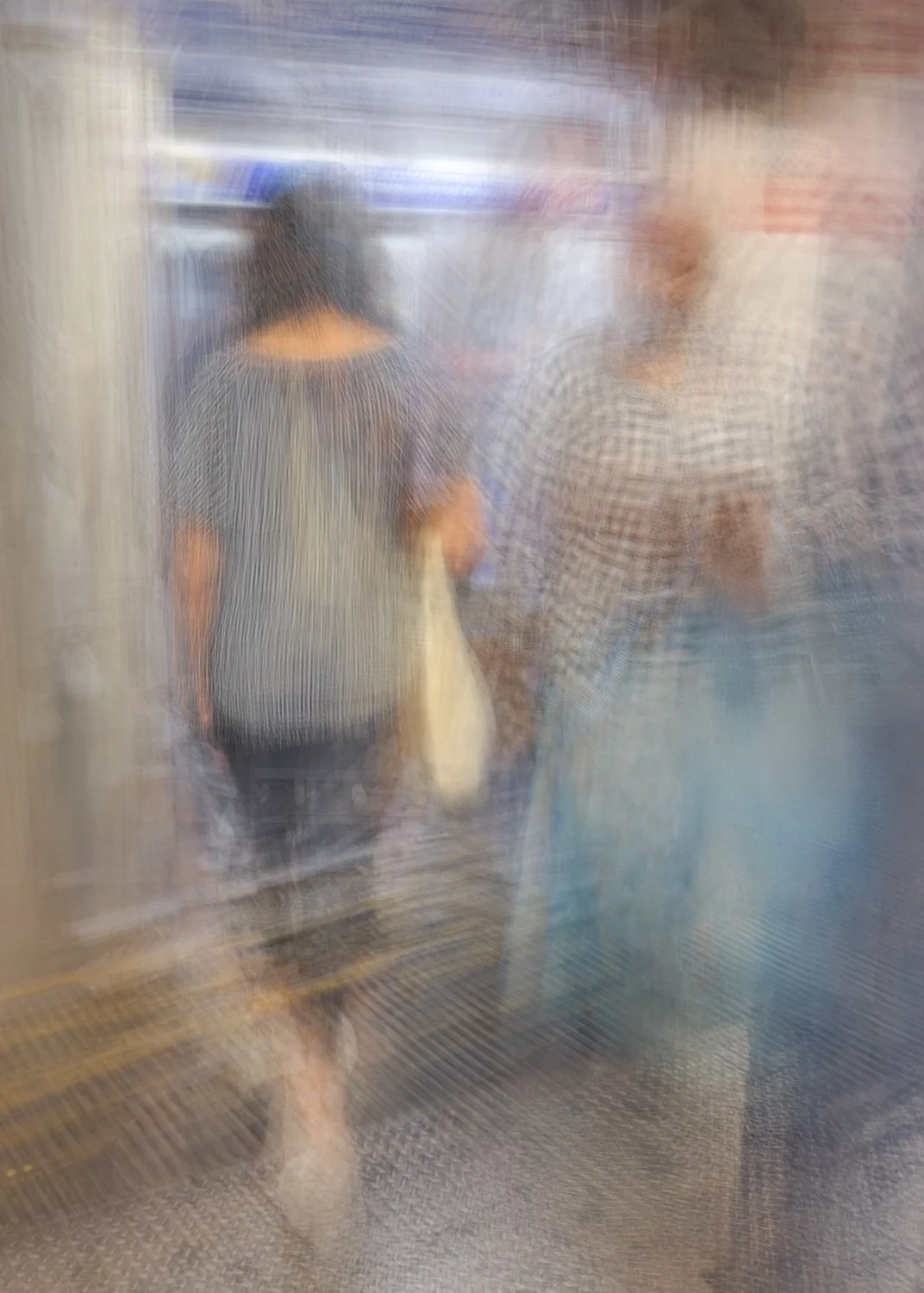
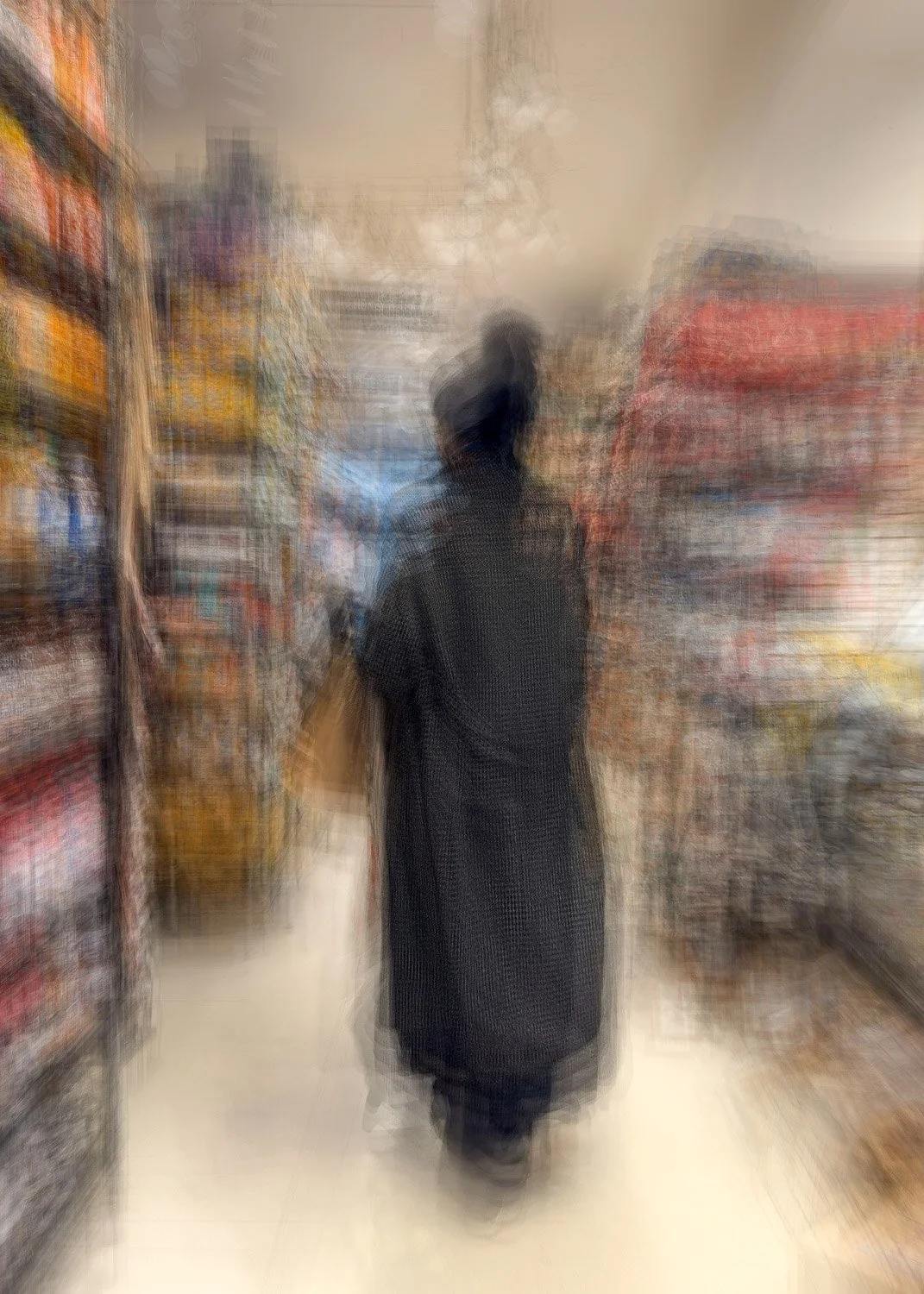
This changes the relationship between photographer, subject and environment in a profound way.
In theory, this relationship suggests that the subject should remain relatively stable within the frame. In practice, it is far less predictable.
Each step of the photographer introduces variation. Camera movement becomes irregular, and subject motion adds further complexity. The result is a far more immersive, but less controllable, form of ICM.
What makes followICM distinct is that motion is no longer simply applied to a scene by camera movement; the photographer becomes physically embedded within the movement itself.
That shift often produces images with a very different energy - less observed, more experienced.
Motion is no longer simply applied to the scene - the photographer becomes part of it.
Through experimentation, I found that a mobile approach was best suited to this technique. Using an iPhone with long-exposure apps such as Spectre Camera and Bluristic allowed for a more fluid and responsive workflow.
The reasoning behind this choice of tools will be explored in a future post.
For a more detailed breakdown of followICM, see the full guide [here].
Multiple exposure and the human form
Multiple exposures as they relate to ICM have been discussed earlier, where camera movement between exposures helps justify the ICM categorization. Applied to the human form, this approach opens another interpretive possibility.
Here, multiple exposures are made as the camera moves in an arc around the subject - similar in execution to the In the Round approach associated with Pep Ventosa.
Rather than expressing motion through a single exposure, the image is constructed through the accumulation of viewpoints, allowing form to shift and repeat while still retaining coherence.
Because the camera position changes between frames, it is crucial that the subject remains more or less static. Stability in the figure allows the layered movements of the camera to shape the abstraction, rather than subject motion introducing disorder.
What I find compelling about this approach is that the resulting image often carries both presence and multiplicity - the figure appears singular, yet subtly dispersed through space.
As with other techniques discussed here, success lies in balancing abstraction with recognizability. Too little variation between exposures and the effect can feel restrained; too much, and the subject may begin to dissolve.
Used thoughtfully, multiple exposure can offer a distinctive way of interpreting the human form - less through gesture in time, and more through the layering of perspective.
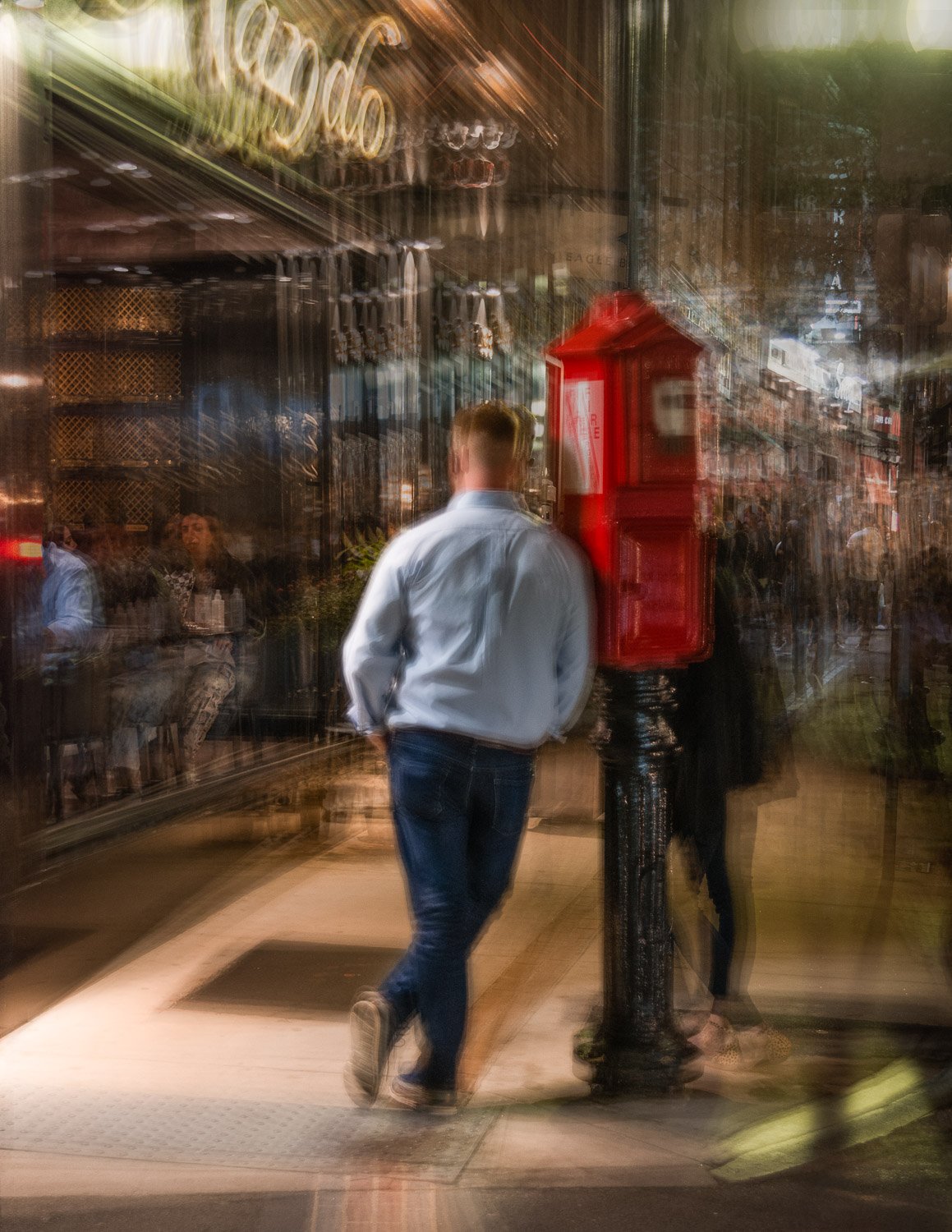
In the first image above, multiple shots were taken in an arc around a primary subject, with the aim of keeping the subject in a consistent position within the frame. These images were then layered and blended in Photoshop to create a composite.
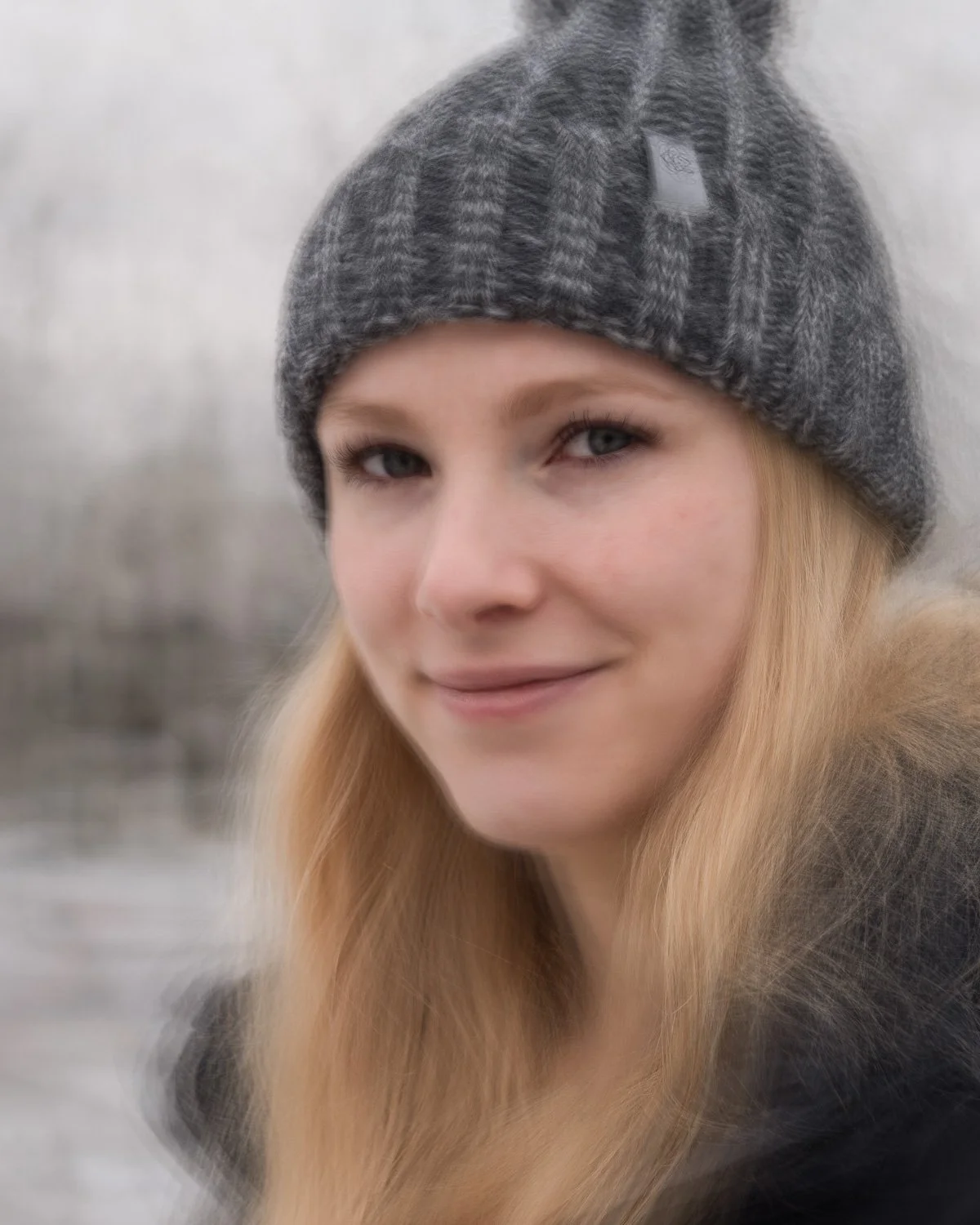
The second image in this series shows the result of experimenting, using a technique I now call the Orbital Portrait. In this instance, both the camera and subject rotate in unison, capturing a series of images across a 360-degree arc. These images are again layered in Photoshop, resulting in a more impressionistic outcome.
Supporting techniques
Not techniques in their own right, these approaches can be used in combination with those already discussed, extending their expressive possibilities.
Abstraction
Although I have emphasised the importance of subject recognition within the image, that principle can be interpreted loosely.
Pushing movement further can allow the figure to move closer to pure suggestion, where presence is felt more through rhythm, shape and atmosphere than recognisable form.
Used deliberately, greater abstraction can shift the image from describing a subject to evoking one.
Imprinting
The technique of imprinting - briefly holding the camera steady during movement - was discussed in earlier posts, This can be effective when applied to the human form.
Used in combination with other techniques, imprinting can help retain a stronger sense of the subject, introducing moments of structure within an otherwise fluid image. It can also create multiple impressions of a figure within a single frame, adding complexity and rhythm.
Imprinting with Flash
A variation on this idea is to combine movement with flash.
Here, a pulse of light freezes a moment in time, surrounded by the blur of motion created during the exposure. This can produce a compelling tension between stillness and movement.
Used sparingly, it can add another interpretive layer to images of the human form.
Final Thoughts
Techniques continue to evolve, offering ever new ways to interpret the human form through motion. This post has provided an insight into processes I have used in my own work, along with a few thoughts on approaches I may yet explore myself.
It is far from an exhaustive list, and I would encourage others to experiment, develop their own ideas, and discover where those explorations might lead.
As noted throughout this series, photographing the human form through ICM can be extremely challenging. With so many variables in play, success is rarely straightforward - but the results can often far outweigh the effort.
And while these techniques may push beyond conventional representation, the foundational skills of photography still matter. In many ways, they matter even more in the absence of detail.
Composition, timing, gesture and observation remain at the heart of the image.
The techniques may evolve, but those fundamentals endure.
To see more images created using the techniques described here, visit the gallery I call Humanessence.