
Continued Exploration of the Bluristic ANGLE mode
Background
I recently wrote about using Bluristic's ANGLE mode to recreate some of the effects achieved through Pep Ventosa's 'In the Round' technique. You can find my review and the setting of ANGLE mode HERE.
In this post, I explore using the same feature in a completely different setting, and with a very different creative intent.
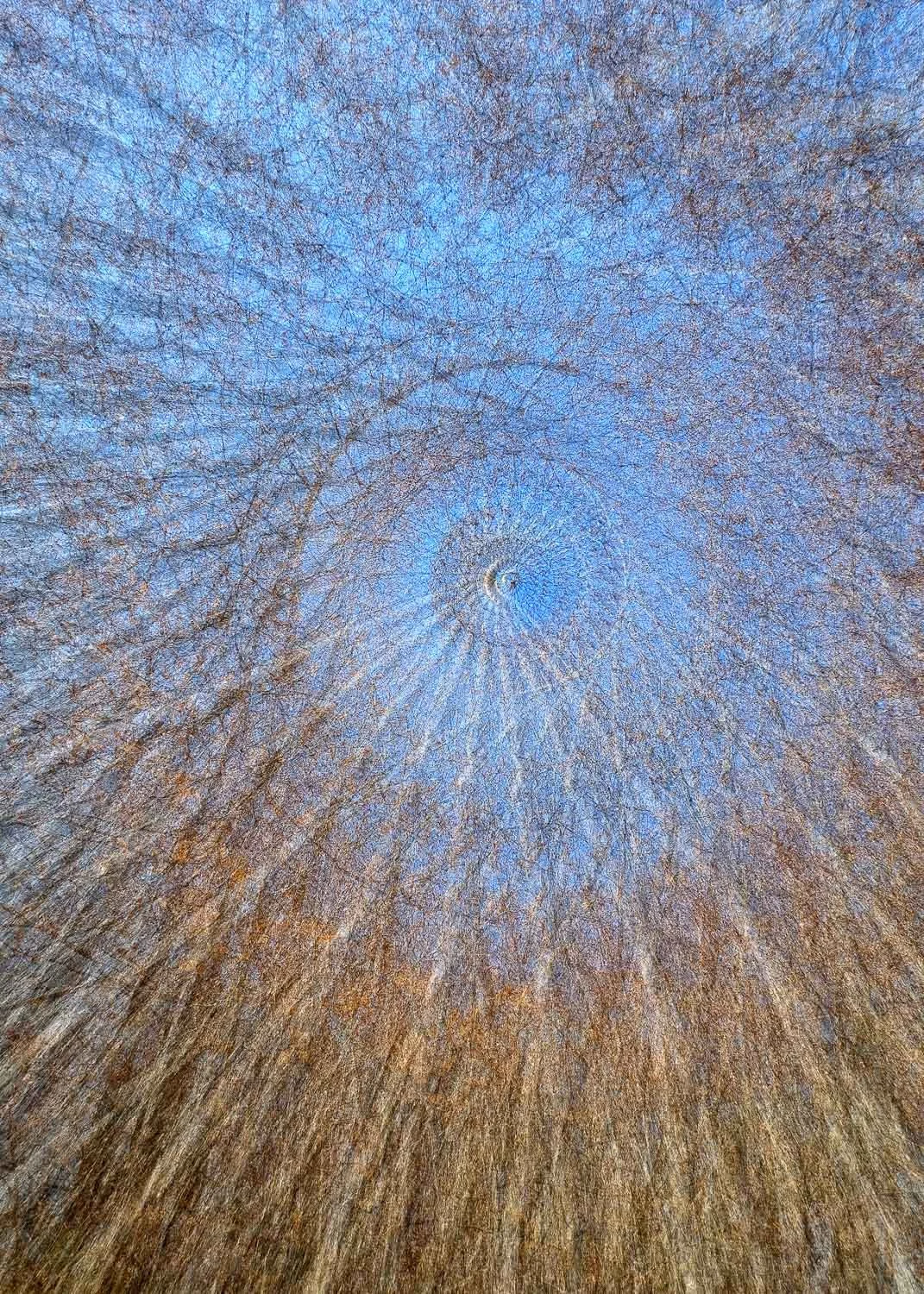
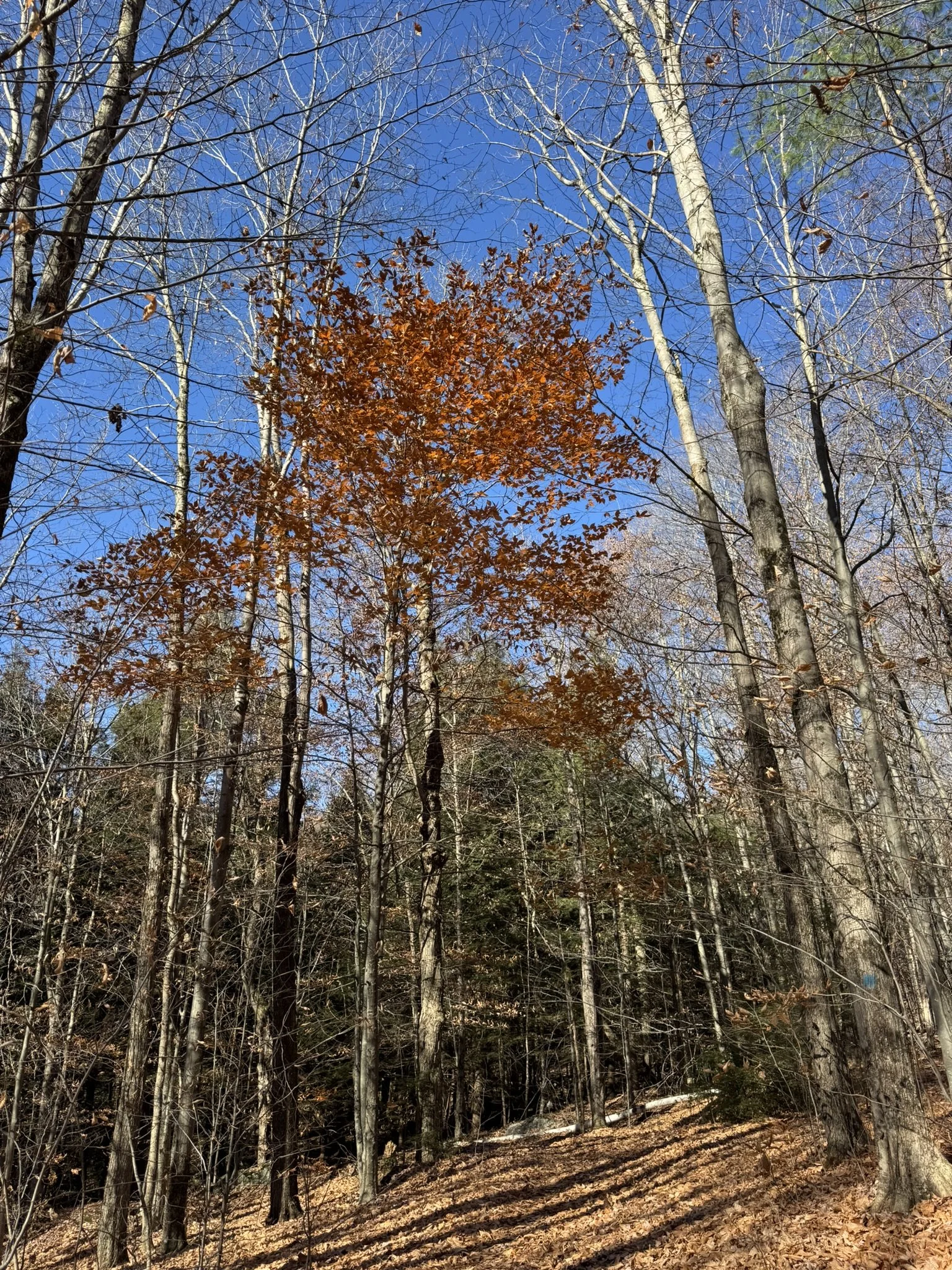
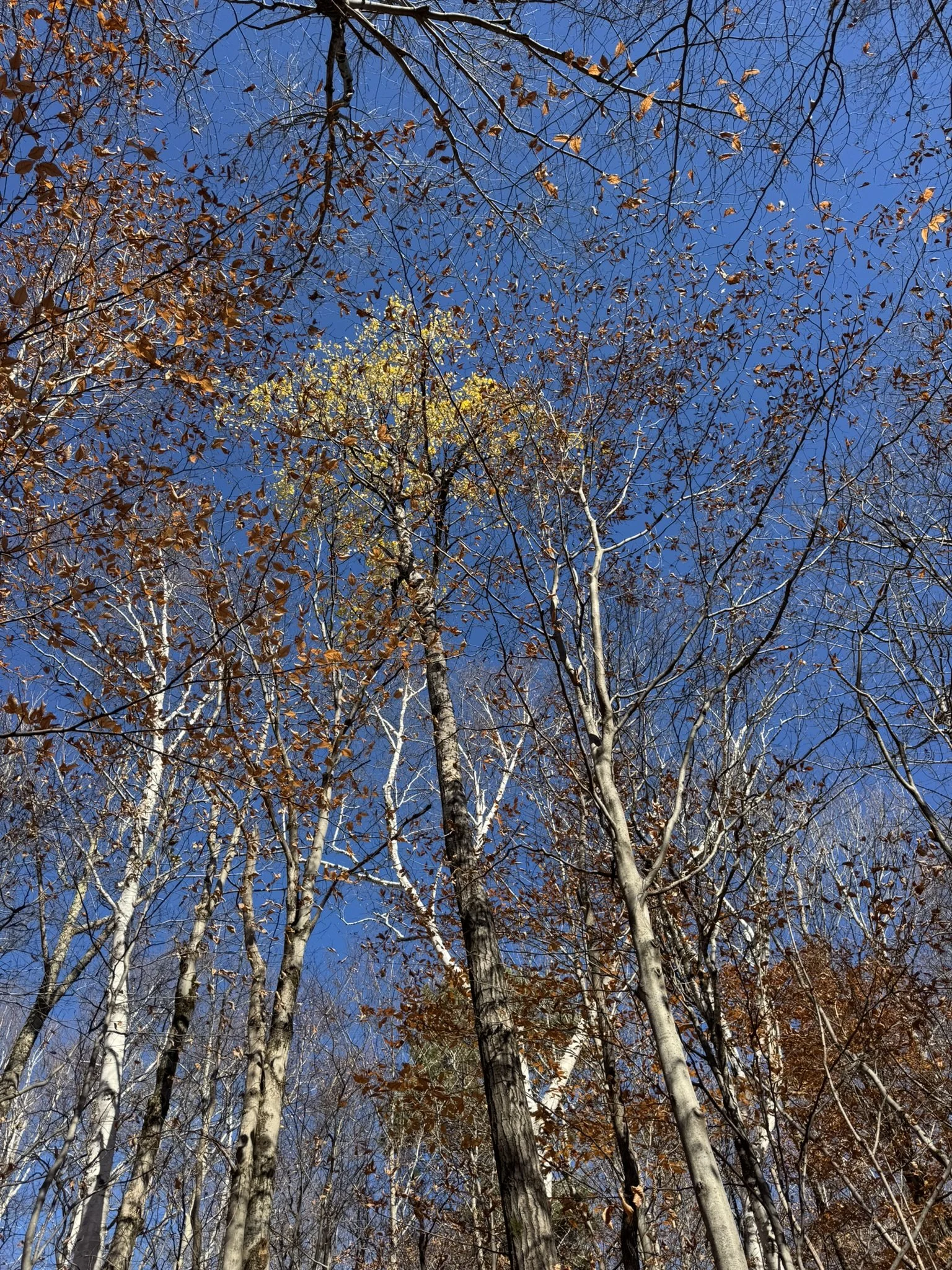
The idea came to me while hiking through woodland with my wife. Looking up, I noticed a few trees still holding on to the last remnants of autumn foliage. These small splashes of color got me thinking: could Bluristic's ANGLE function on my iPhone once again be put to good use?
A Hypothesis
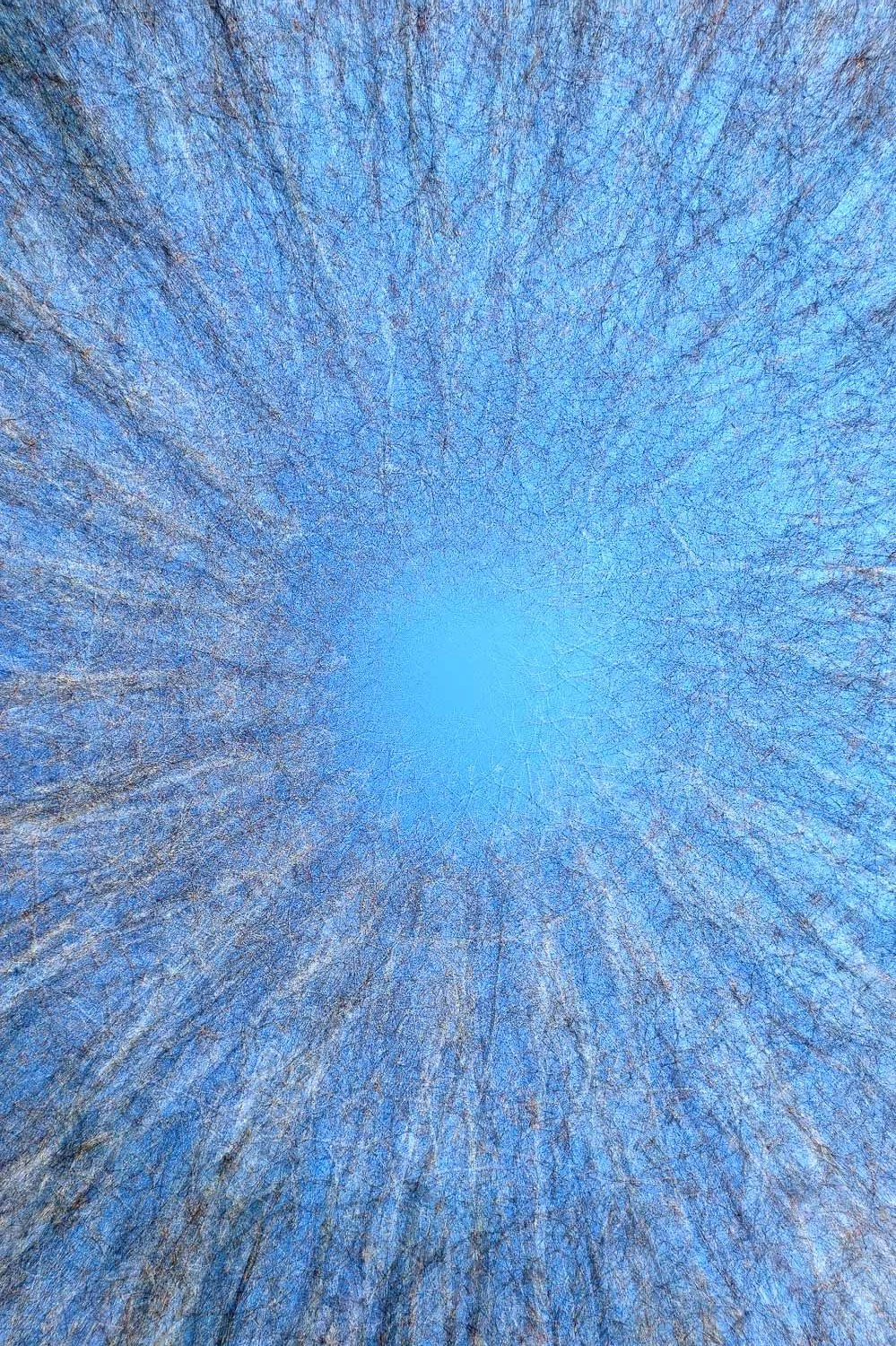
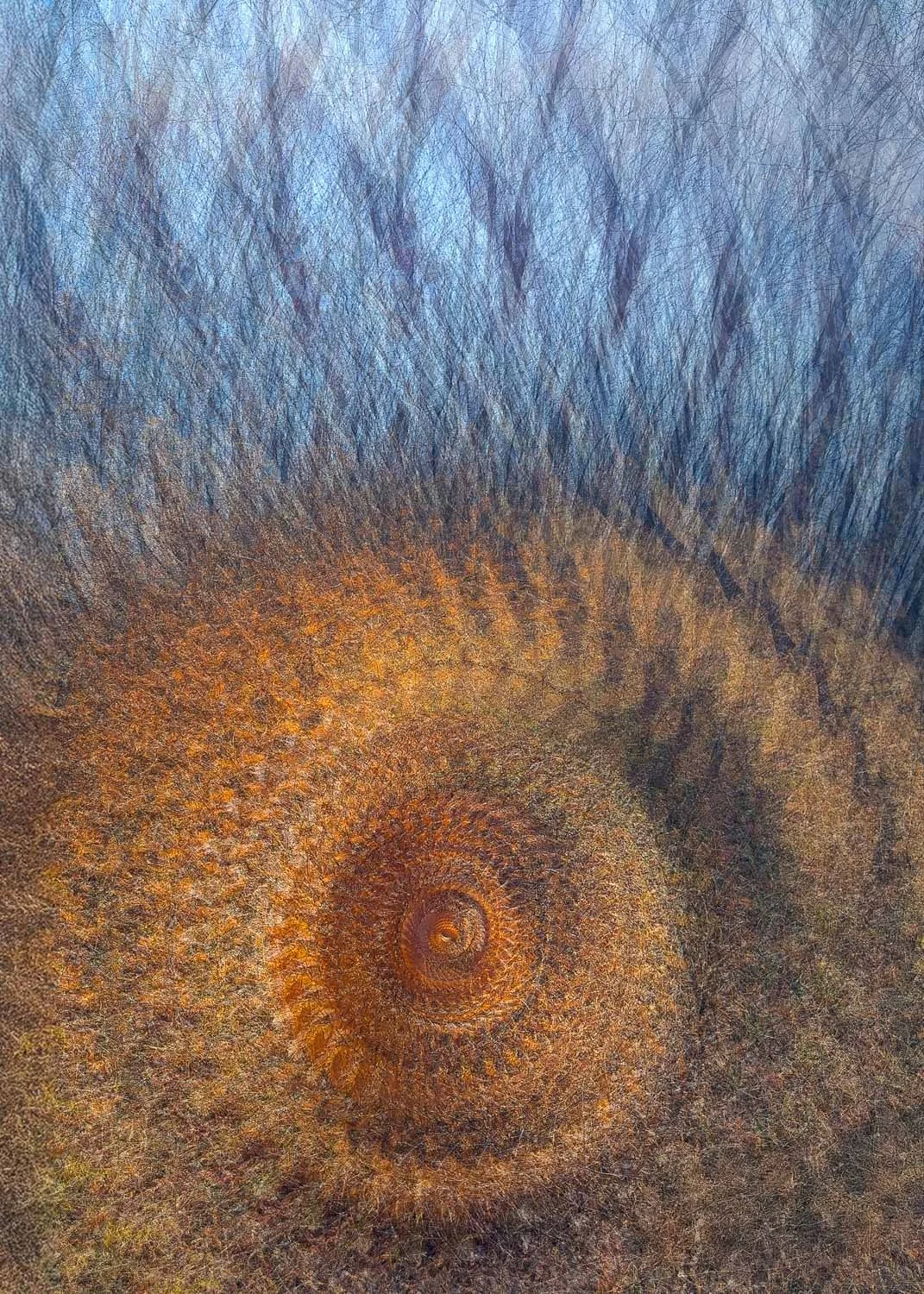
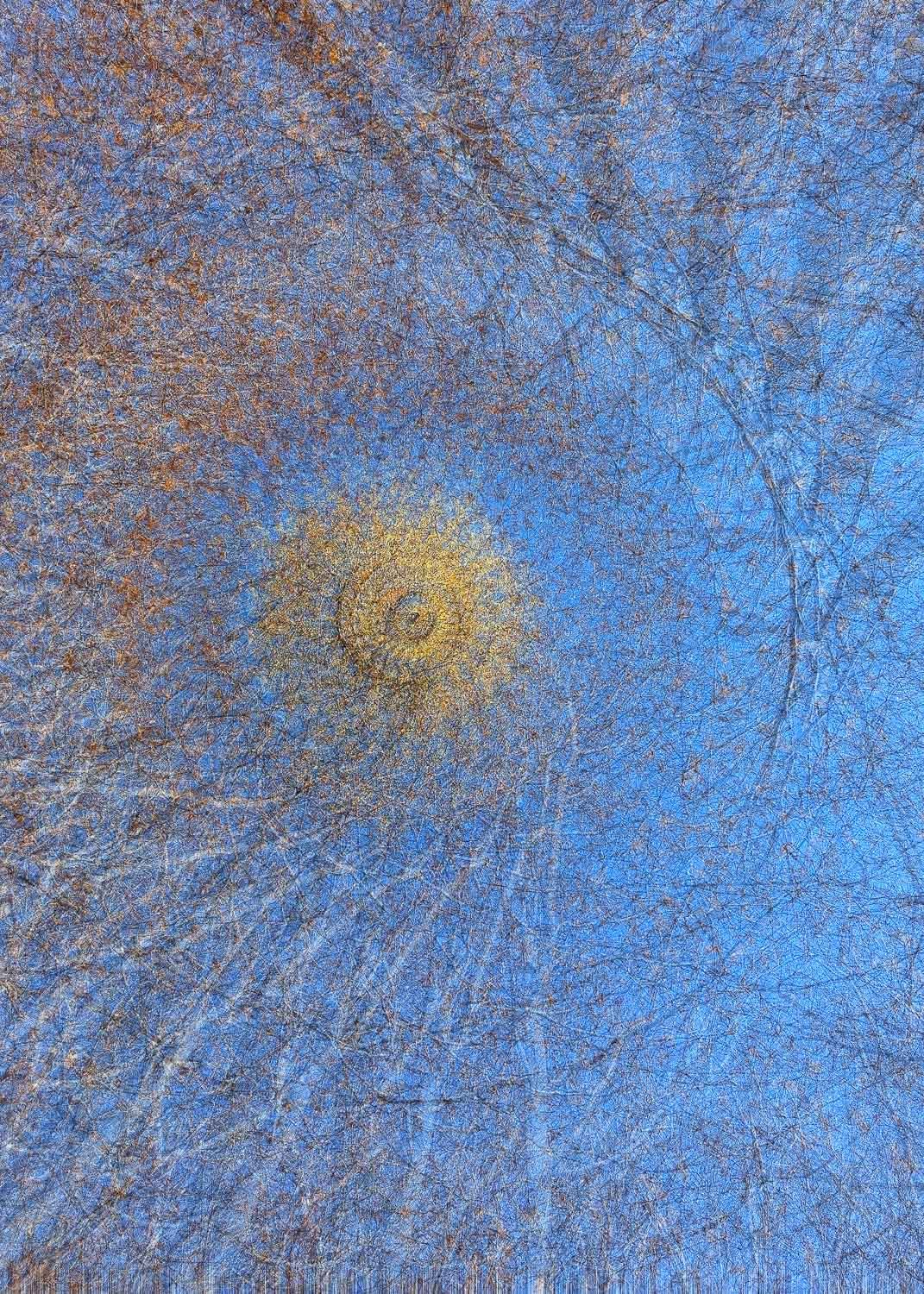
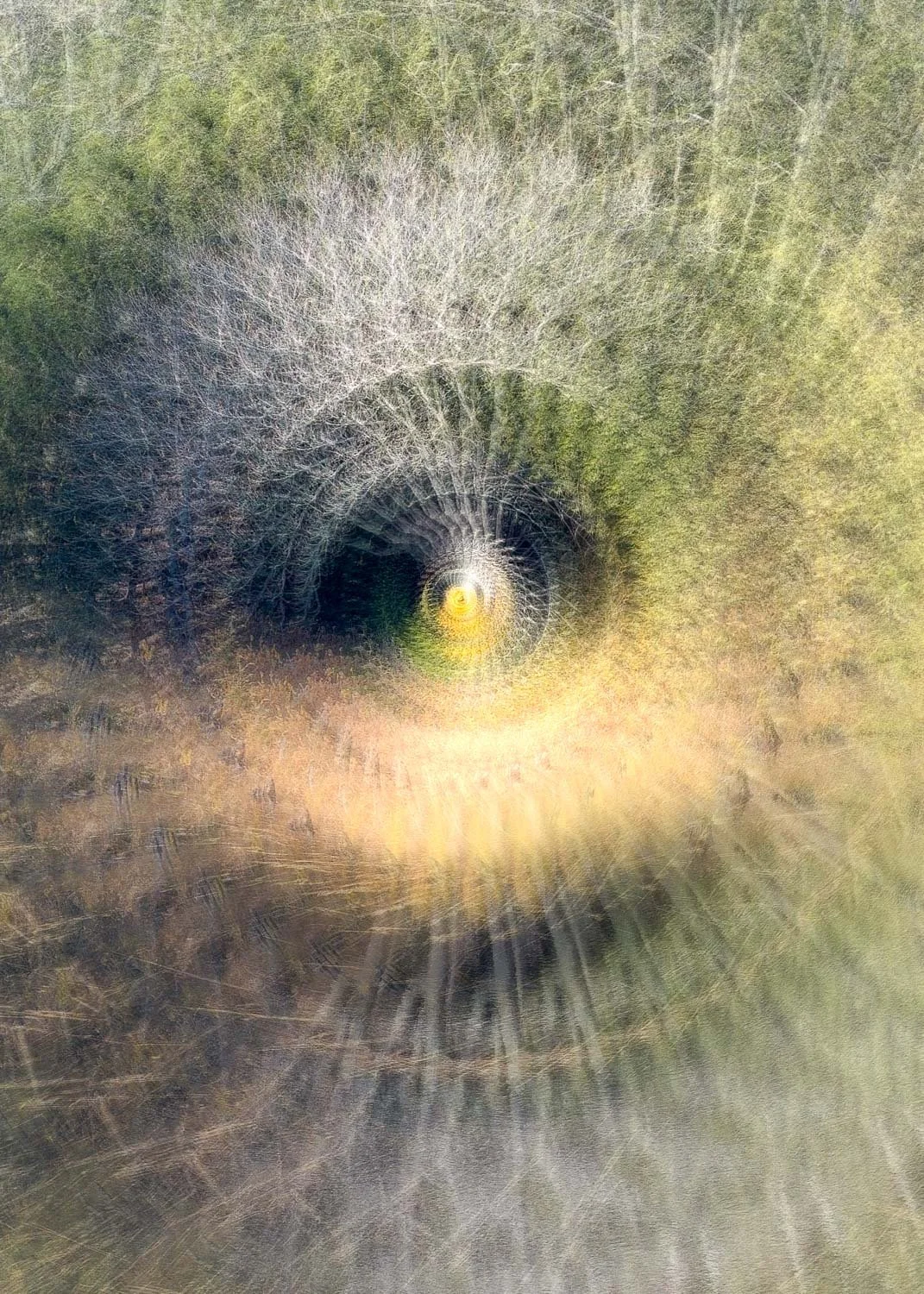
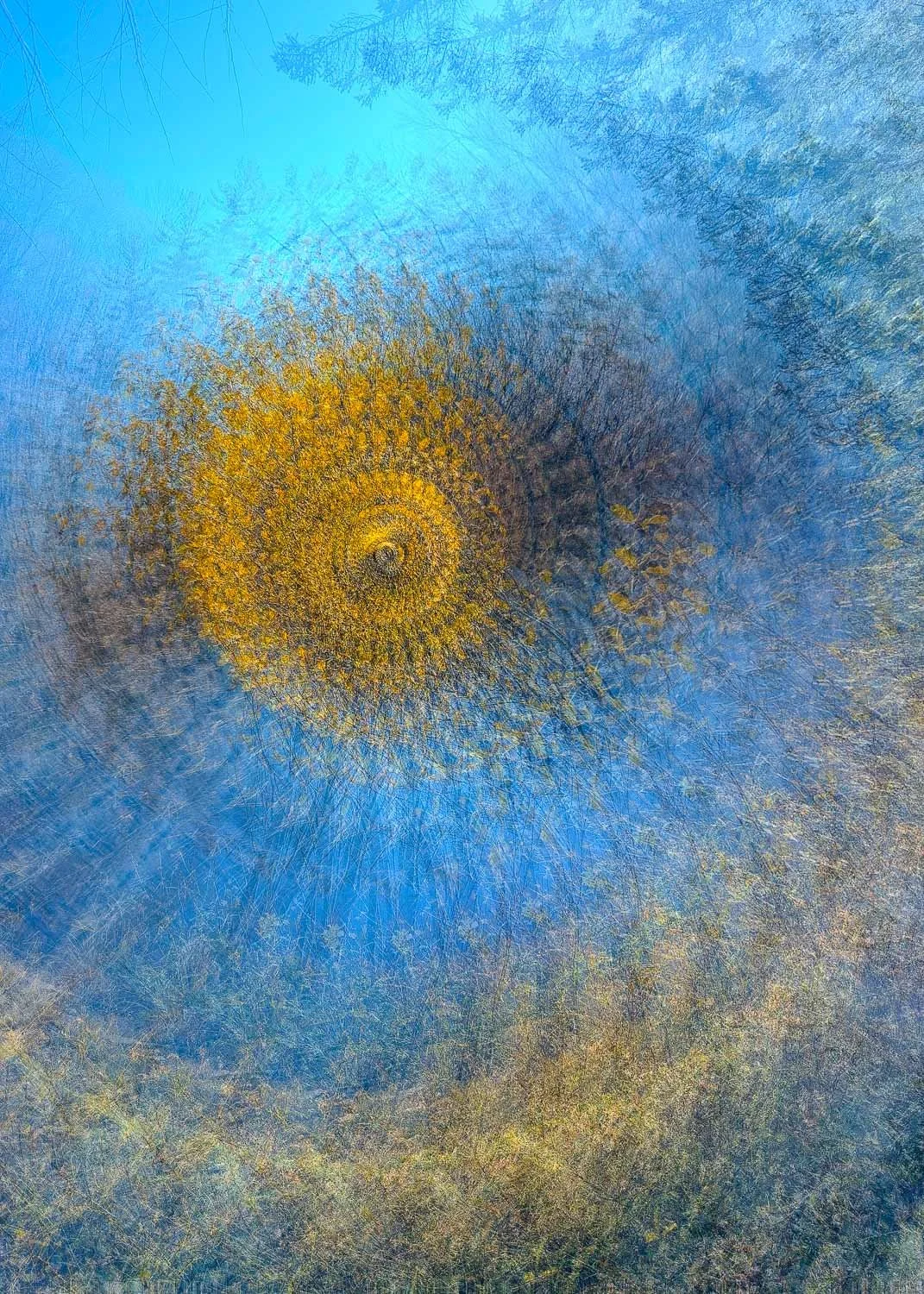
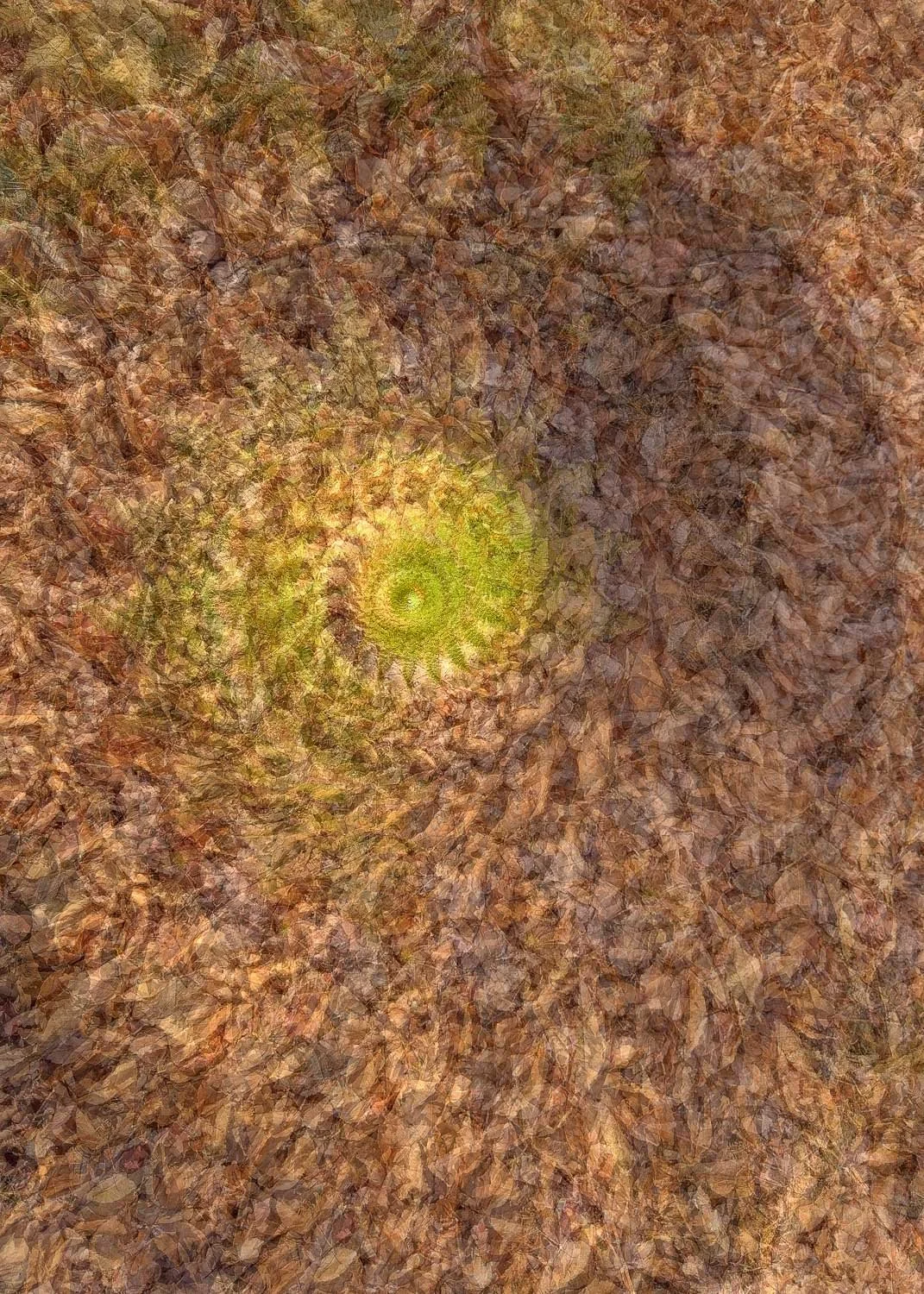
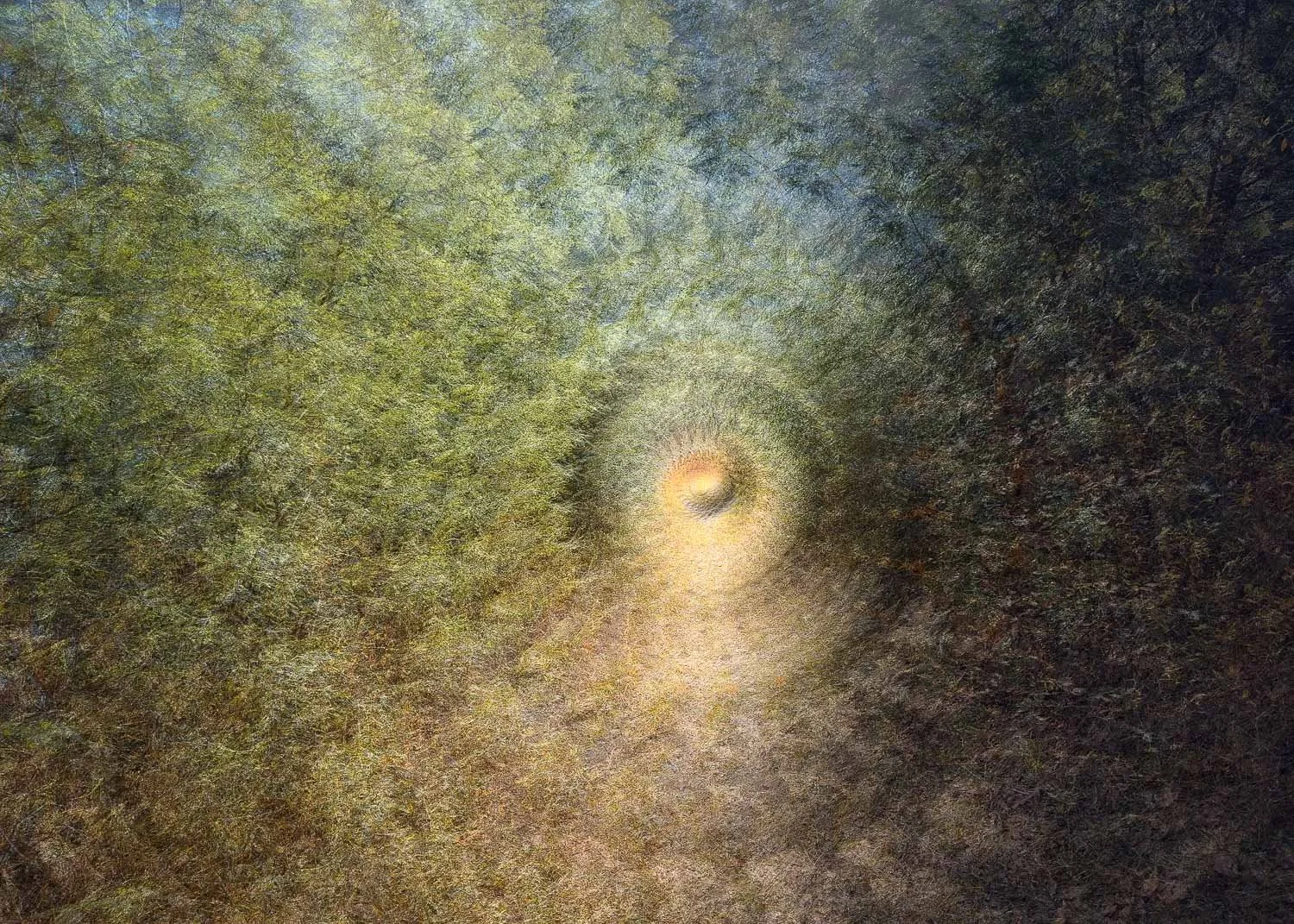
My theory was relatively simple. By finding a suitable arrangement of treetops and pointing the camera upwards, I could then rotate the phone around its own axis. With ANGLE mode selected, the app would trigger individual exposures at successive angular increments, blending the resulting captures into a multiple-exposure image, all in camera.
I had experimented with a similar treetop approach using another app in the past, but the results fell well short of what I'd hoped to achieve. This time, however, Bluristic proved more than capable of delivering the results I was looking for.
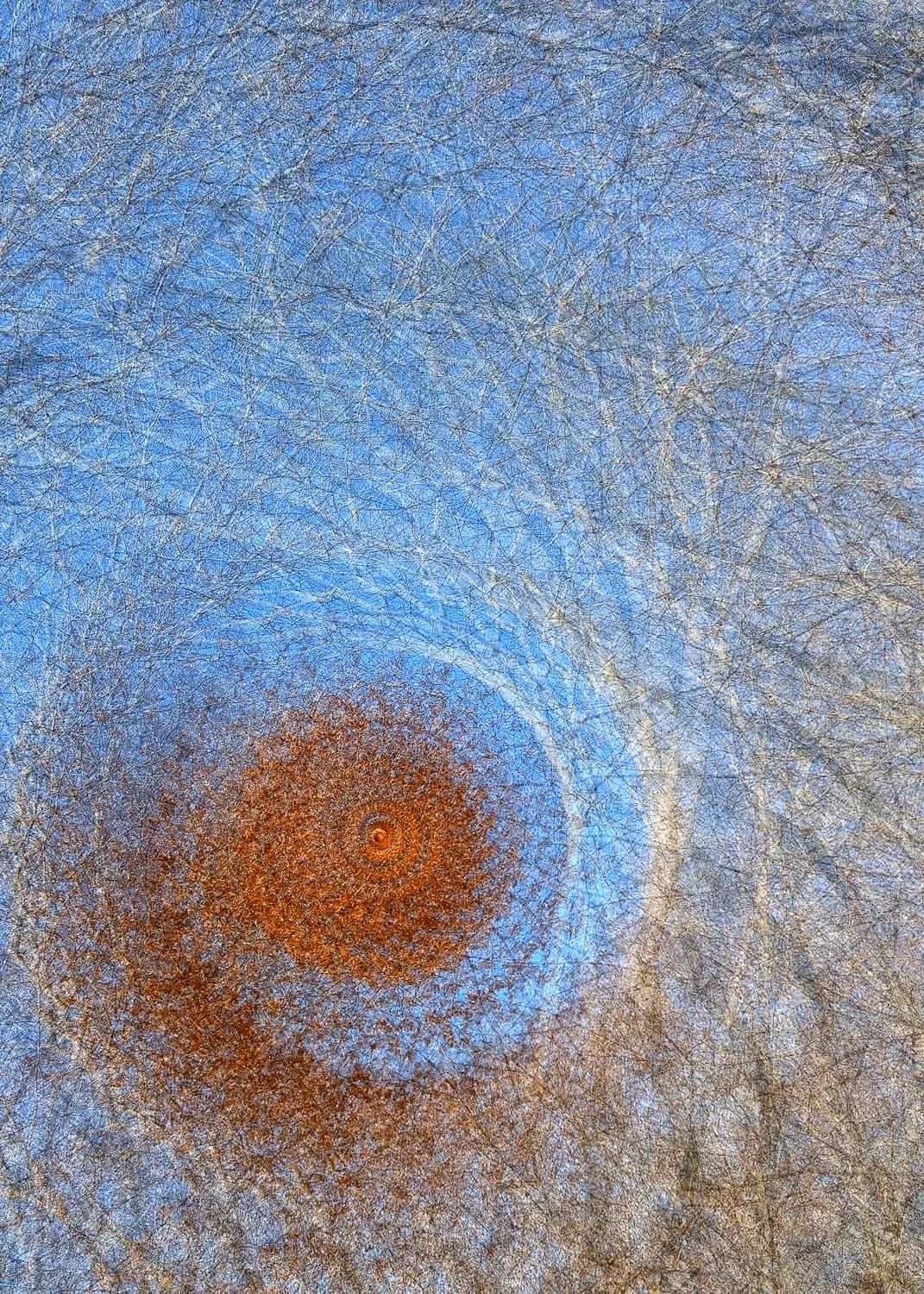
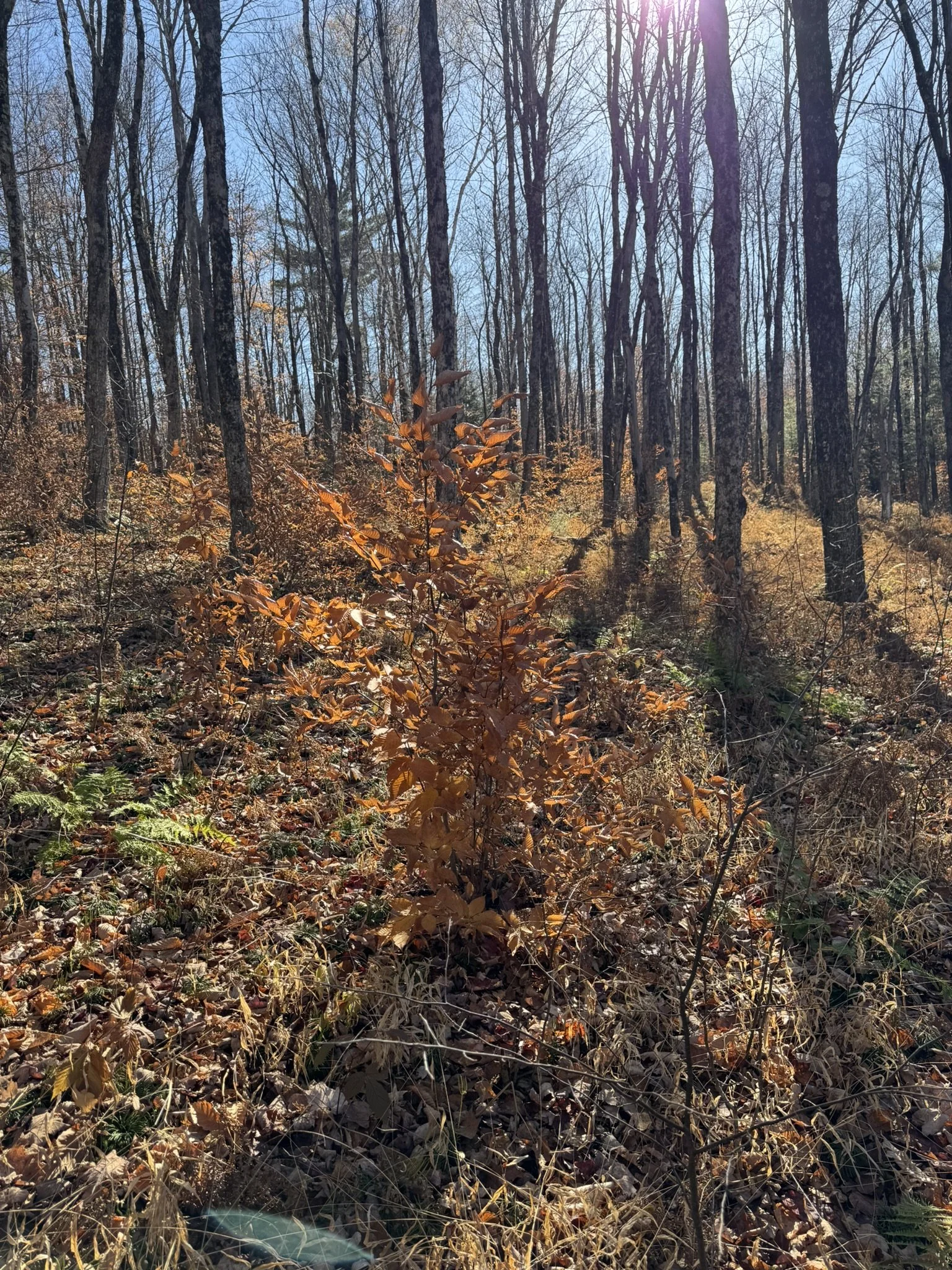
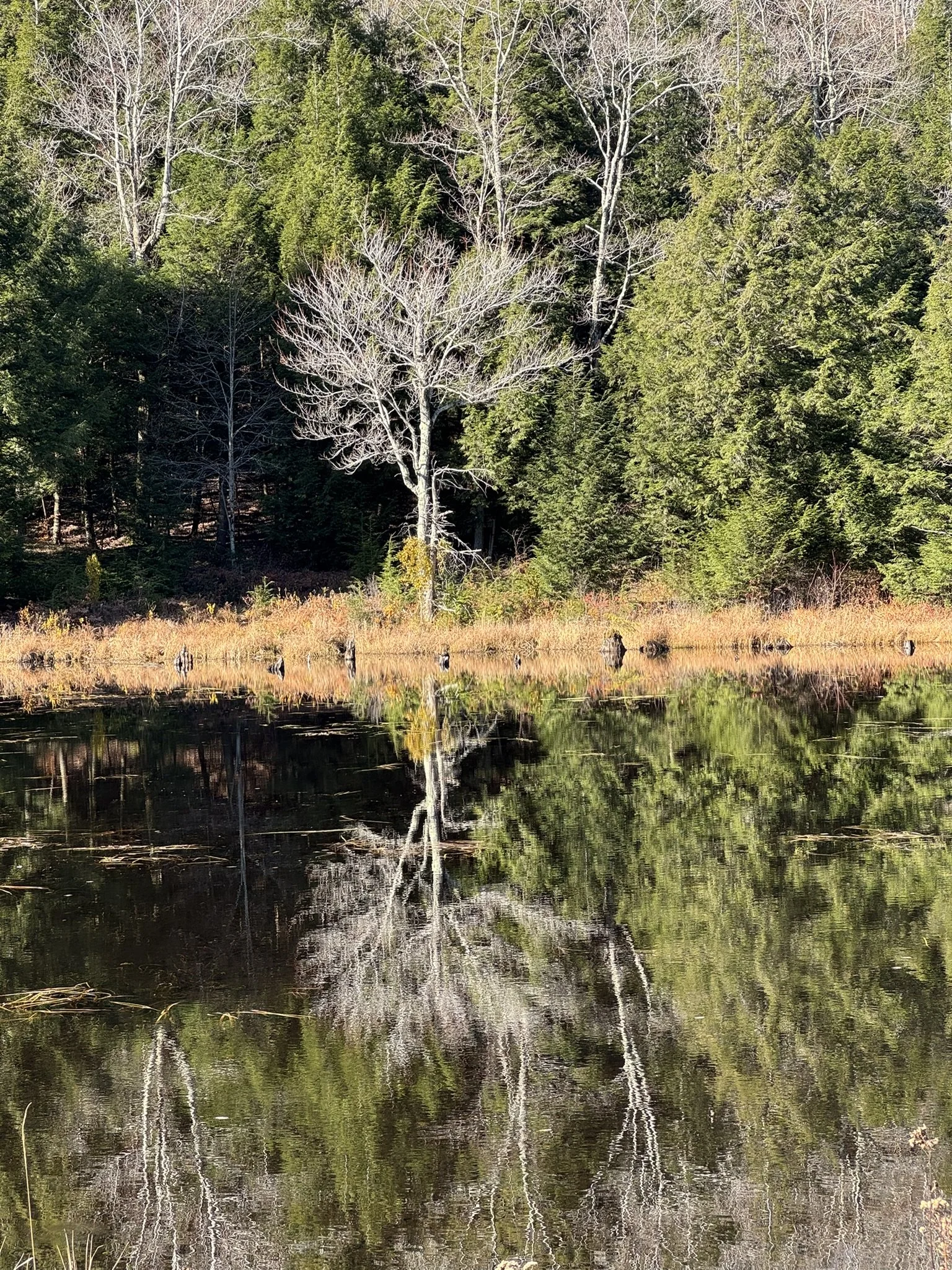
Having found some success looking upwards, I became more attentive to the possibilities looking down and in other directions, seeking out splashes of color or simply experimenting with whatever scenes presented themselves.
What started as a relatively simple hypothesis was beginning to reveal some interesting creative possibilities.
Exploring the Results
The images below bring together a cross-section of the images produced, using a variety of subjects and camera angles to give an idea of what this approach can achieve.
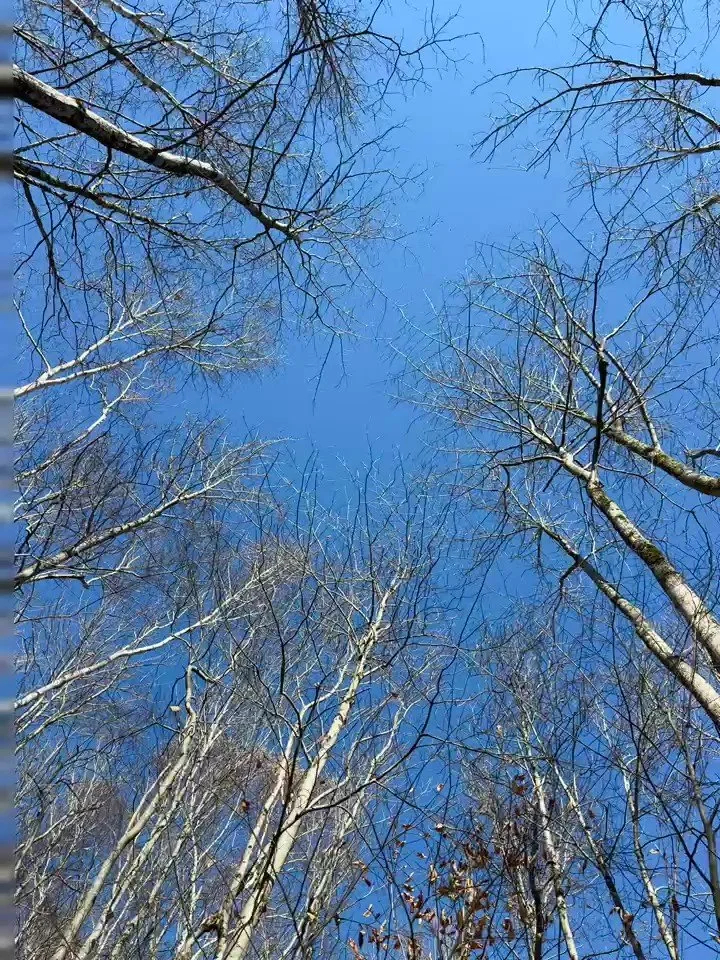
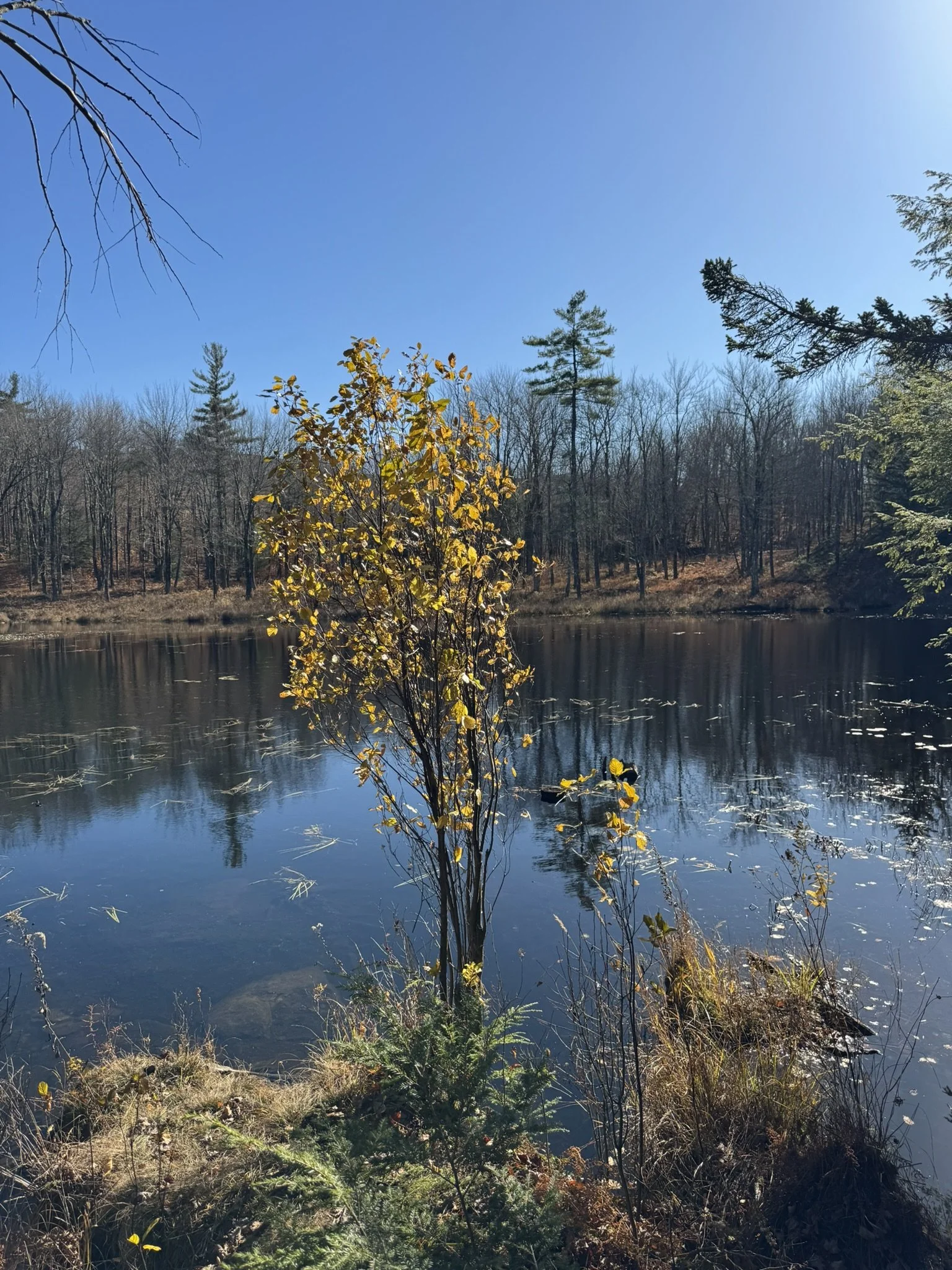
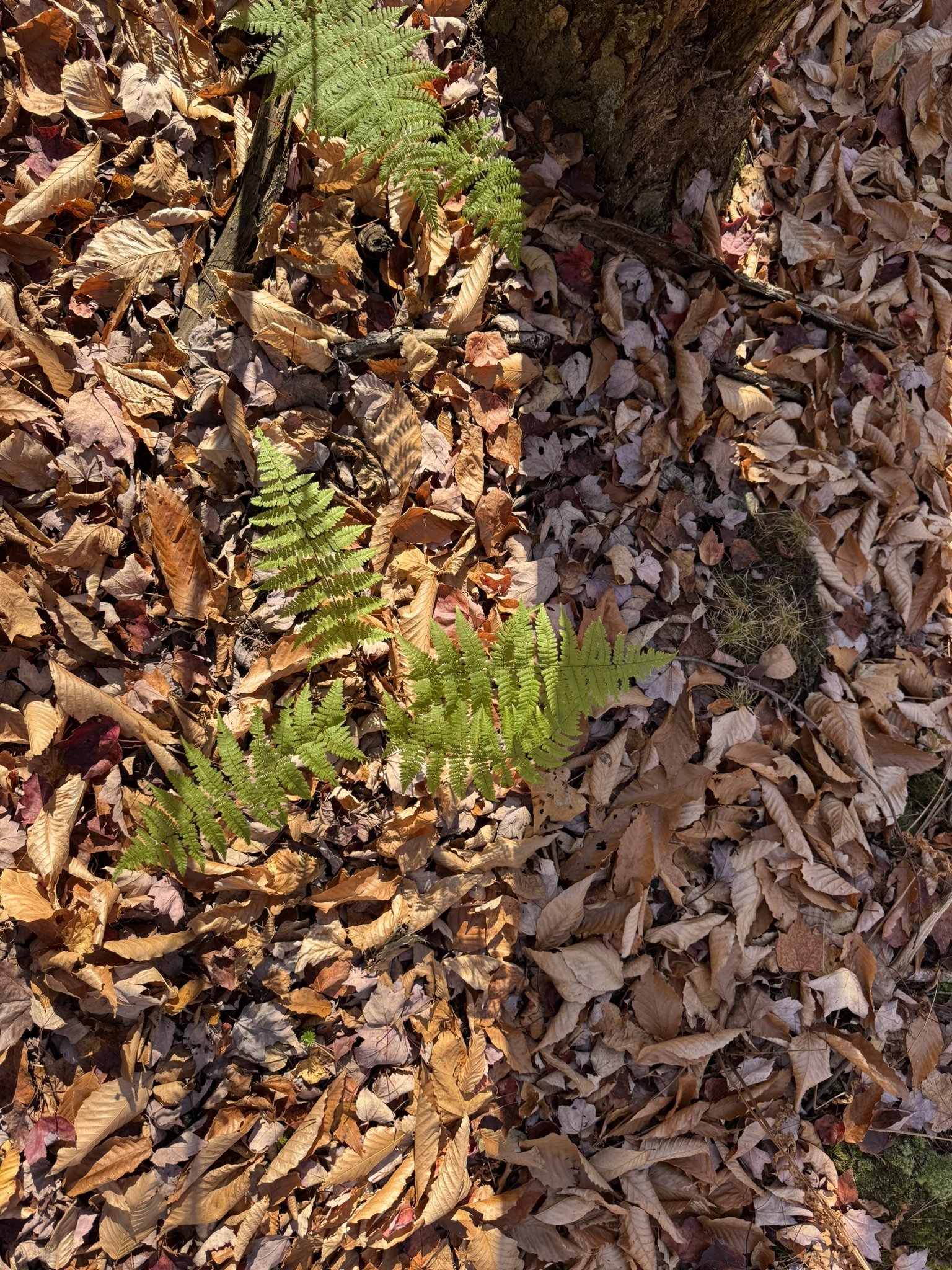
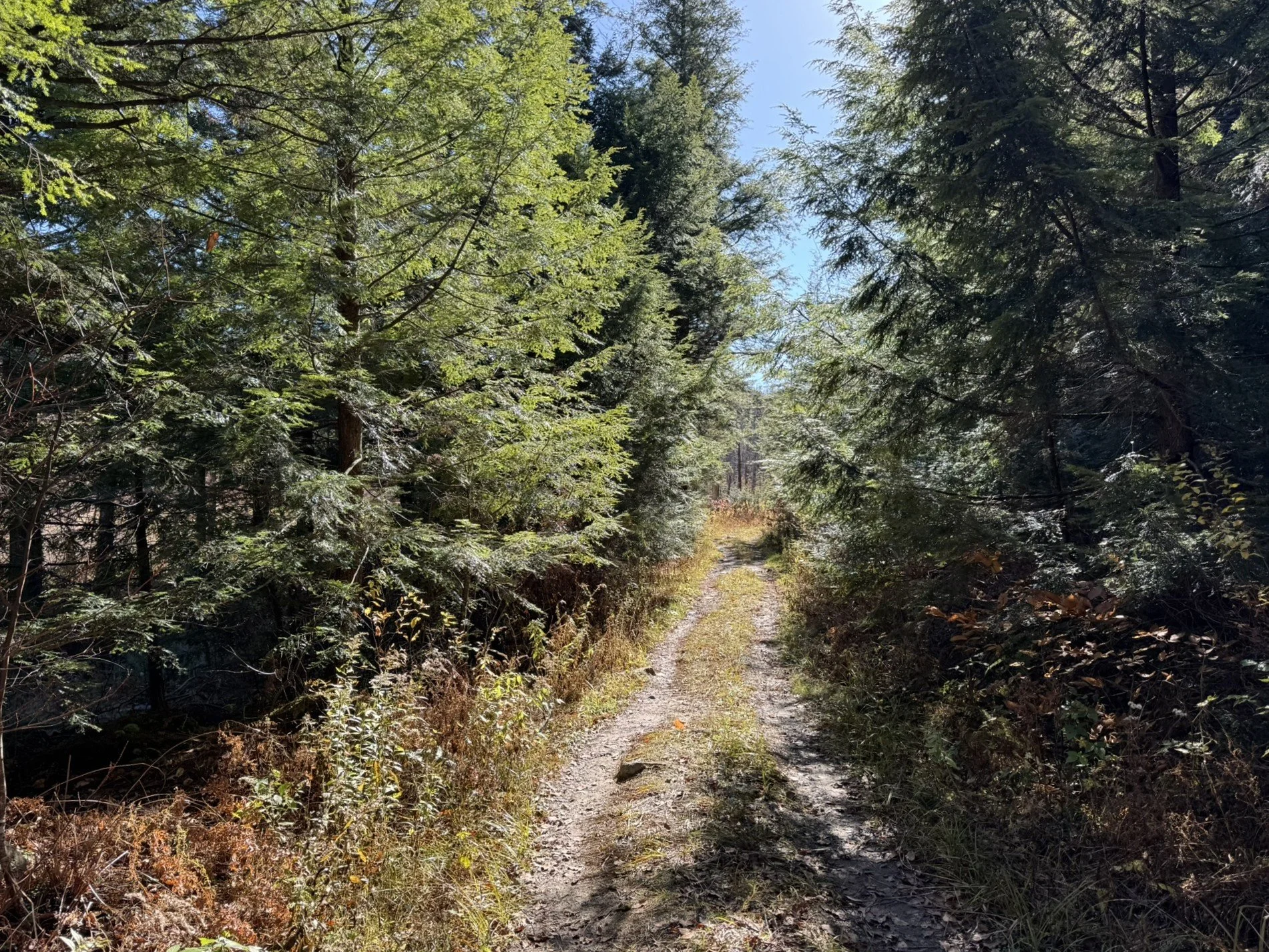
To provide some context for each creation, I've included an unedited photograph of the original scene immediately after its abstract counterpart.
As you work through the images - using the arrows to progress - take a moment to look at each abstract creation before viewing its source photograph. Ask yourself what the original scene might have looked like, and then see how close you came!
Conclusion
This series began as an experiment into what might be possible by triggering exposures at successive camera angles. Rotating the camera produced the most compelling results. I did explore panning and tilting the camera but had little success - I plane to test both further in a different setting.
While the number of images produced during this particular experiment is relatively small, I think there's considerable scope for further exploration. It's opened up another creative avenue for Bluristic's ANGLE mode, and I'll certainly be looking to experiment with different subjects and possibilities as time goes by.
I'd love to hear what others make of the images, and whether they can see possibilities for using ANGLE mode that I haven't considered.
Have you experimented with ANGLE mode in Bluristic yourself? I'd be interested to hear about your experiences.